
When people think of dangerous demons, they usually imagine overwhelming power, brutal magic, or unstoppable destruction.
But in Sousou no Frieren, the most dangerous demon is not necessarily the strongest one.
It is the one who plans.
This is the story of Schlacht — the demon known as the Omniscient. He did not conquer battlefields through force alone. He shaped them from the shadows.
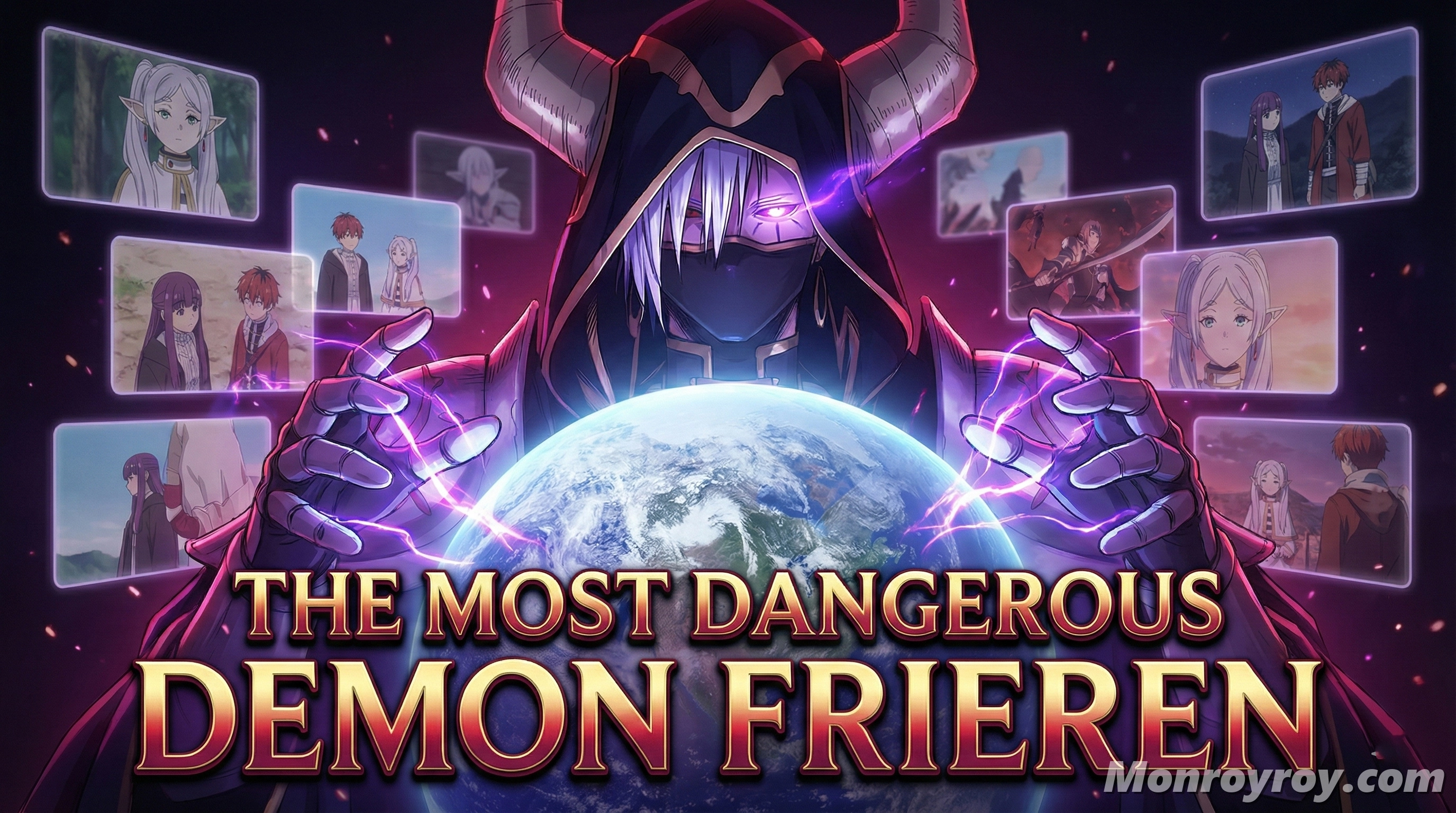
1. Schlacht Explained: Who Is the Omniscient Demon?
Schlacht is a high-ranking demon in Sousou no Frieren.
He is known by the title “the Omniscient”, a name directly associated with his ability to see the future.
Unlike many major figures in the story, Schlacht does not appear in the present timeline. He exists primarily through flashbacks and testimonies.
And yet, despite his limited on-screen presence, his influence stretches across the entire history of the war between humans and demons.
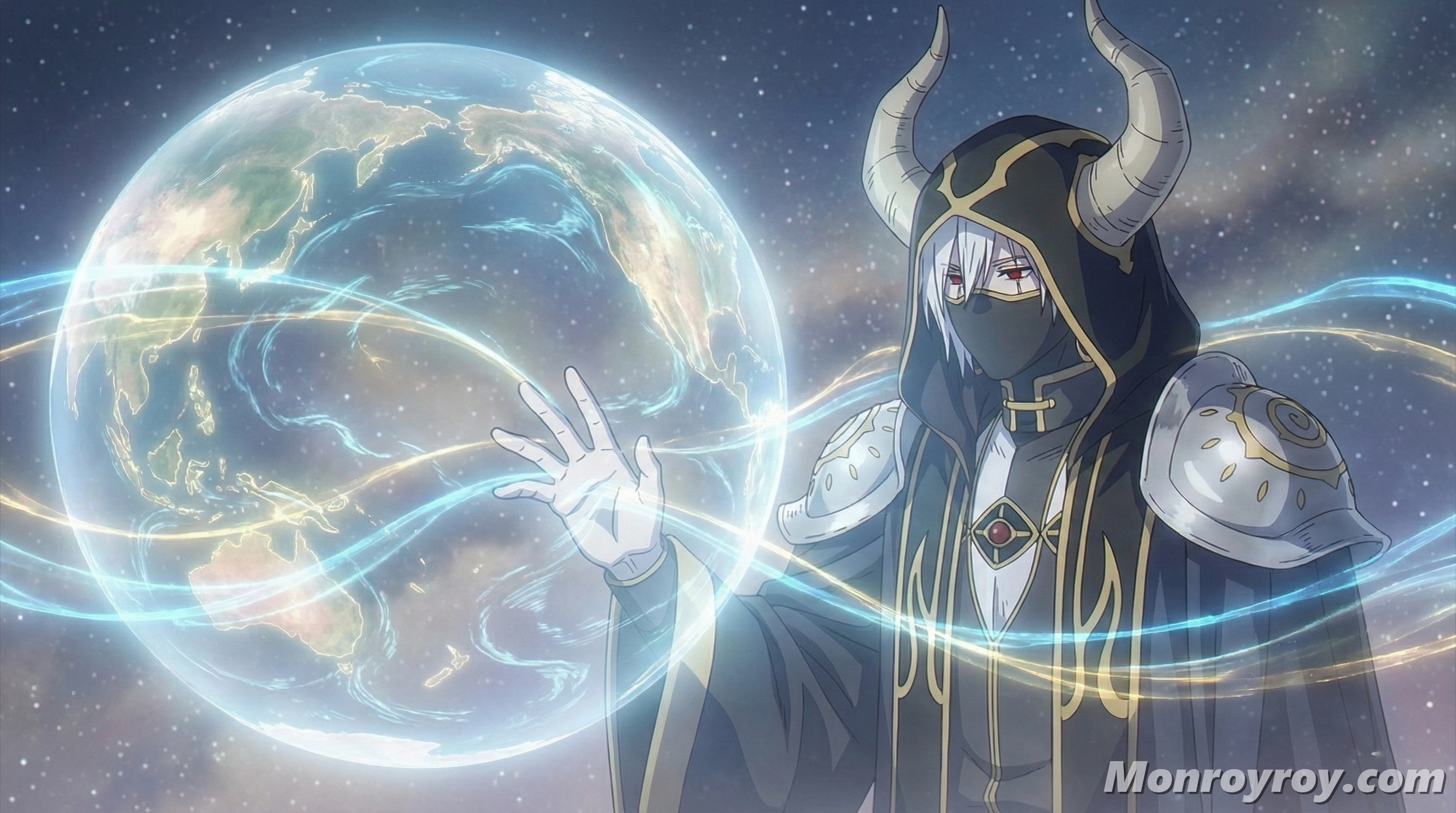
2. Schlacht’s Role, Position, and Core Personality
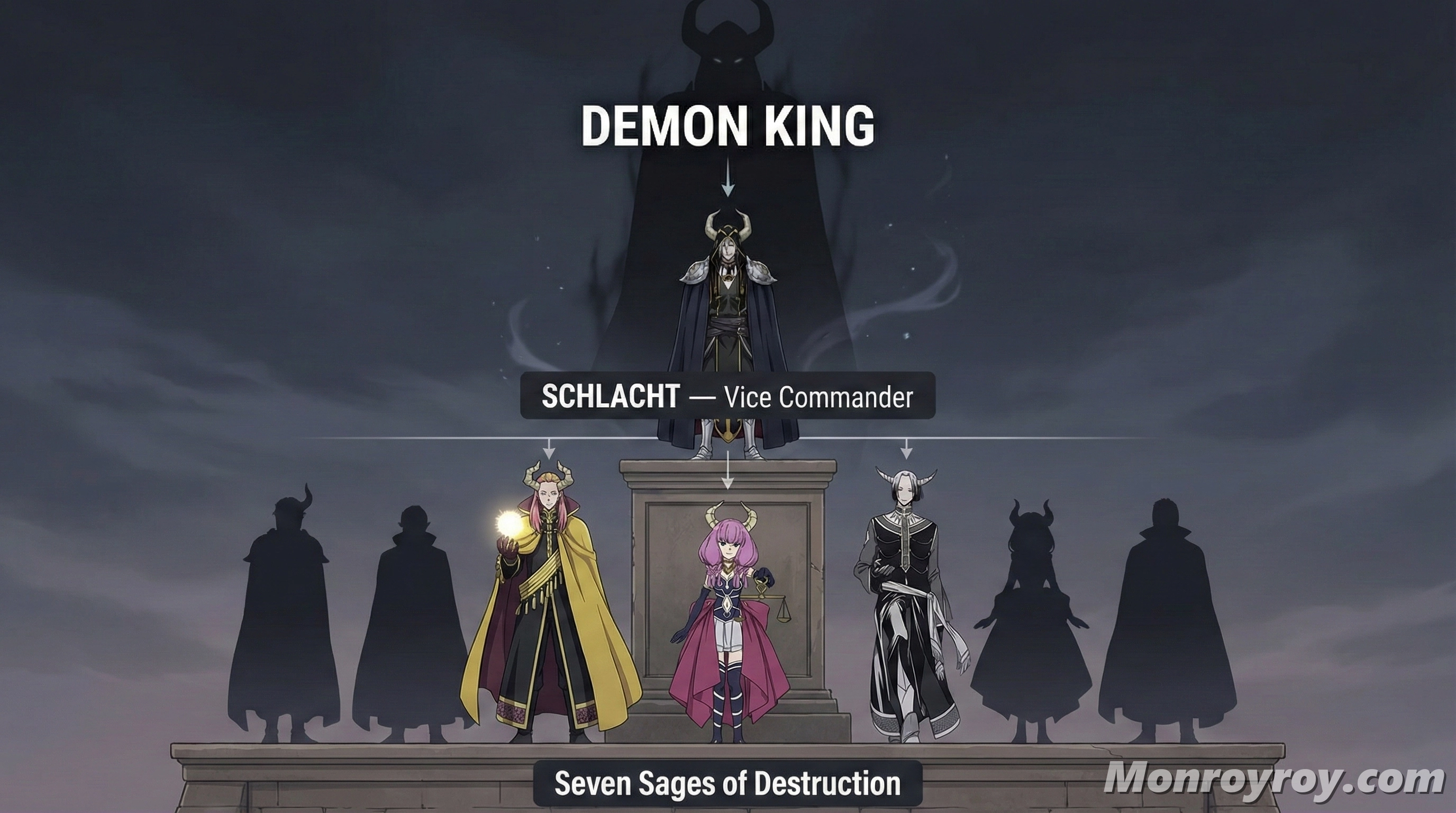
Schlacht’s Position Under the Demon King
Schlacht serves as the most trusted confidant of the Demon King.
His responsibilities include:
- Acting as the vice commander of the Demon King’s army.
- Relaying the Demon King’s orders.
- Coordinating demon generals, including the Seven Sages of Destruction.
Within demon society’s power hierarchy, Schlacht stands directly beneath the Demon King and above all other great demons.
On a narrative level, this distinction matters.
Schlacht is not a frontline general. He is not defined by individual battles.
He is the strategic brain of the demon faction.
Schlacht’s Calm and Calculated Nature
Schlacht is portrayed as a demon of unusual calmness and composure.
He consistently maintains a controlled, unhurried demeanor — even in life-or-death situations.
Rather than acting on instinct or impulse, Schlacht demonstrates:
- Strong emotional control.
- Deliberate, calculated decision-making.
A Deviation Within Demonkind
But what truly defines Schlacht as an anomaly is this:
He does not fear death.
More than that, he is willing to sacrifice himself if necessary.
This directly contradicts the fundamental instincts of demonkind, which are characterized by:
- An obsession with survival.
- Self-centered priorities.
- Fear of annihilation.
Schlacht does not behave according to those instincts.
It is this deviation — a demon who does not act like a demon — that makes Schlacht uniquely dangerous.
3. How Schlacht Commanded the Uncommandable
Demons are not cooperative by nature.
And yet, when Schlacht calls for a unified campaign, all Seven Sages of Destruction respond.
This obedience cannot be explained by rank alone. It can only be understood through Schlacht’s leadership.
Schlacht is fully aware of one truth:
His subordinates obey him primarily out of fear.
He does not deny this. Nor does he pretend otherwise.
However, Schlacht does not rely on violence as his first or only tool.
He is willing to use force, but he does not allow force to become his default solution.
Before resorting to coercion, Schlacht attempts to make his counterpart understand the situation. He approaches them with a proposal first instead of an order.
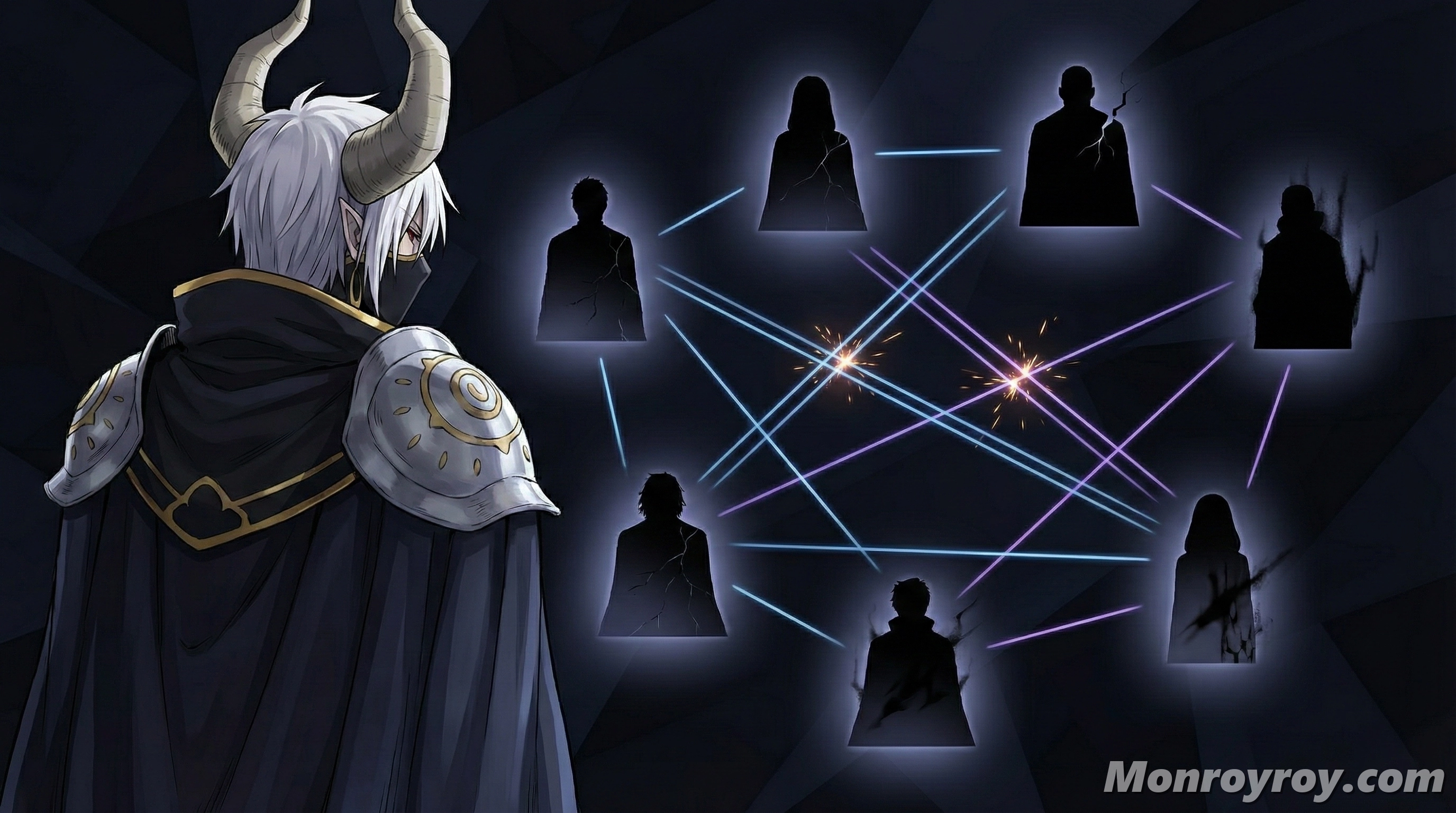
More importantly, Schlacht understands how to use the Sages against one another.
He knows their weaknesses, rivalries, and matchups.
Control, for Schlacht, is not brute domination. It is strategic balance.
Schlacht’s Negotiation With Macht
Schlacht’s approach is best illustrated through his interaction with Macht, the strongest of the Seven Sages.
When Schlacht seeks Macht’s participation, he does not begin with a command. He begins with an offer of cooperation.
As expected, Macht refuses.
Only then does Schlacht escalate.
He openly threatens to execute Macht and expresses full confidence that he could do so.
But immediately after making that threat, Schlacht adds a crucial line:
He says that he does not want to do it.
This is not hesitation. It is control.
To remove any remaining doubt, Schlacht brings Grausam with him — a Sage whose abilities directly counter Macht’s.
The message is clear:
If Macht wants to live, he has no choice but to comply.
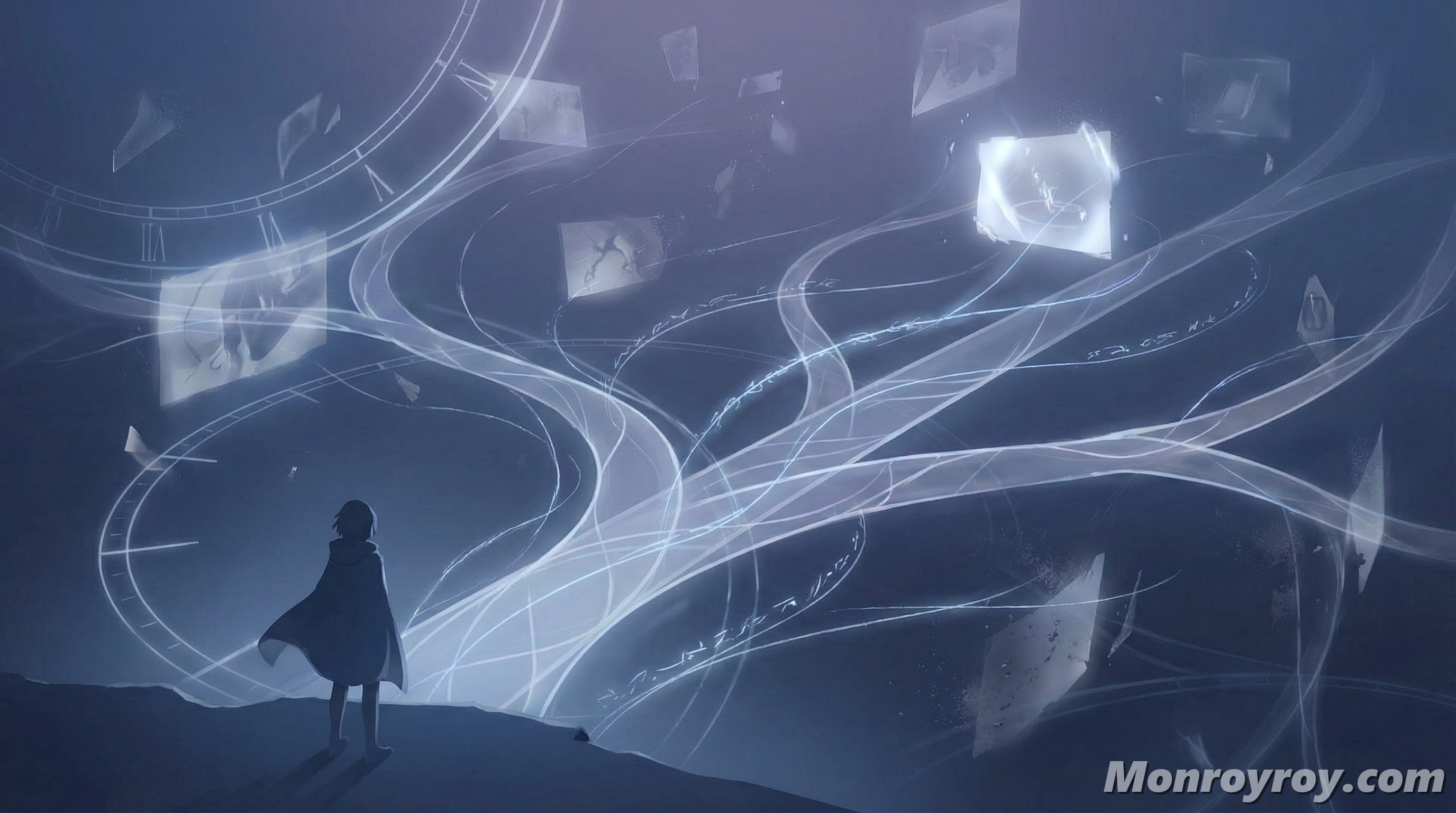
4. Schlacht Explained: How His Future Sight Magic Works
Linear Time vs. Branching Futures
Schlacht’s magic allows him to see up to 1,000 years into the future.
But this future is not a single straight line.
He explicitly states that he has seen countless futures.
This implies a branching, multivariate timeline in which every decision creates new possibilities.
And according to Solitär, Schlacht’s mind contained billions of scenarios.
That level of information processing requires mental and spiritual capacity beyond even other great demons.
Accuracy and Precision
Schlacht’s foresight is not vague.
He predicted:
- That Frieren would read Macht’s memories.
- That it would happen nearly a century later.
- That it would occur at a specific point in history.
That level of precision confirms one thing: Schlacht’s danger lies in certainty.
5. Schlacht vs. the Hero of the South
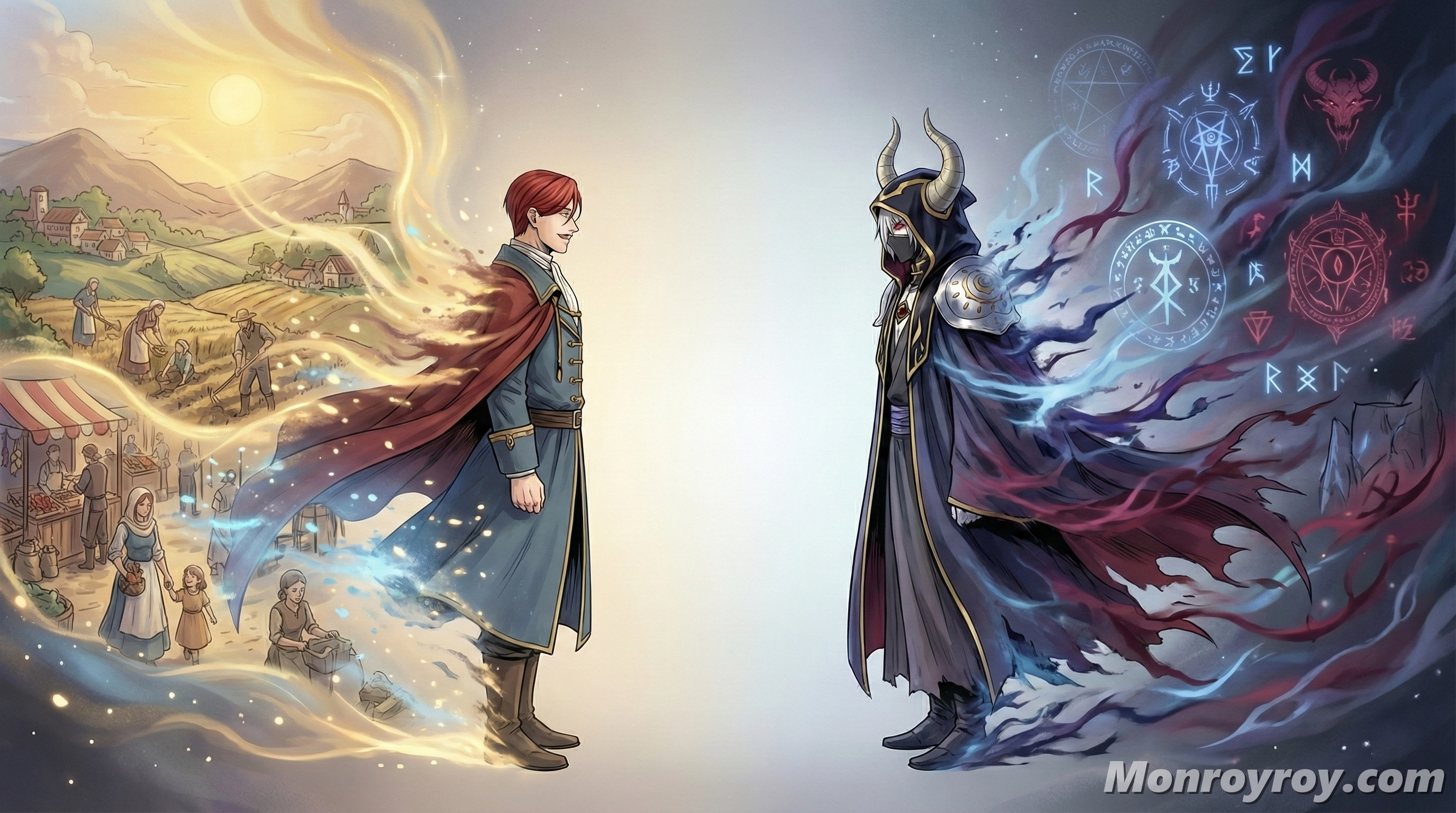
The only human known to rival Schlacht’s foresight was the Hero of the South.
When two beings who see the future clash, a paradox emerges.
Each sees the other’s reaction. Each adjusts.
That creates endless loops of hypothetical outcomes.
The mutual death of both figures may not have been a failure.
It may have been the only convergence point both visions allowed.
- The Hero of the South died to protect humanity’s future.
- Schlacht died — or vanished — to preserve demonkind’s secrets.
6. Schlacht’s Thousand-Year Plan
Schlacht’s story does not end with his death.
In fact, that is where the mystery truly begins.
Among fans and researchers of Frieren, one question refuses to disappear:
Did Schlacht really die?
The Mystery of Schlacht’s “Death”
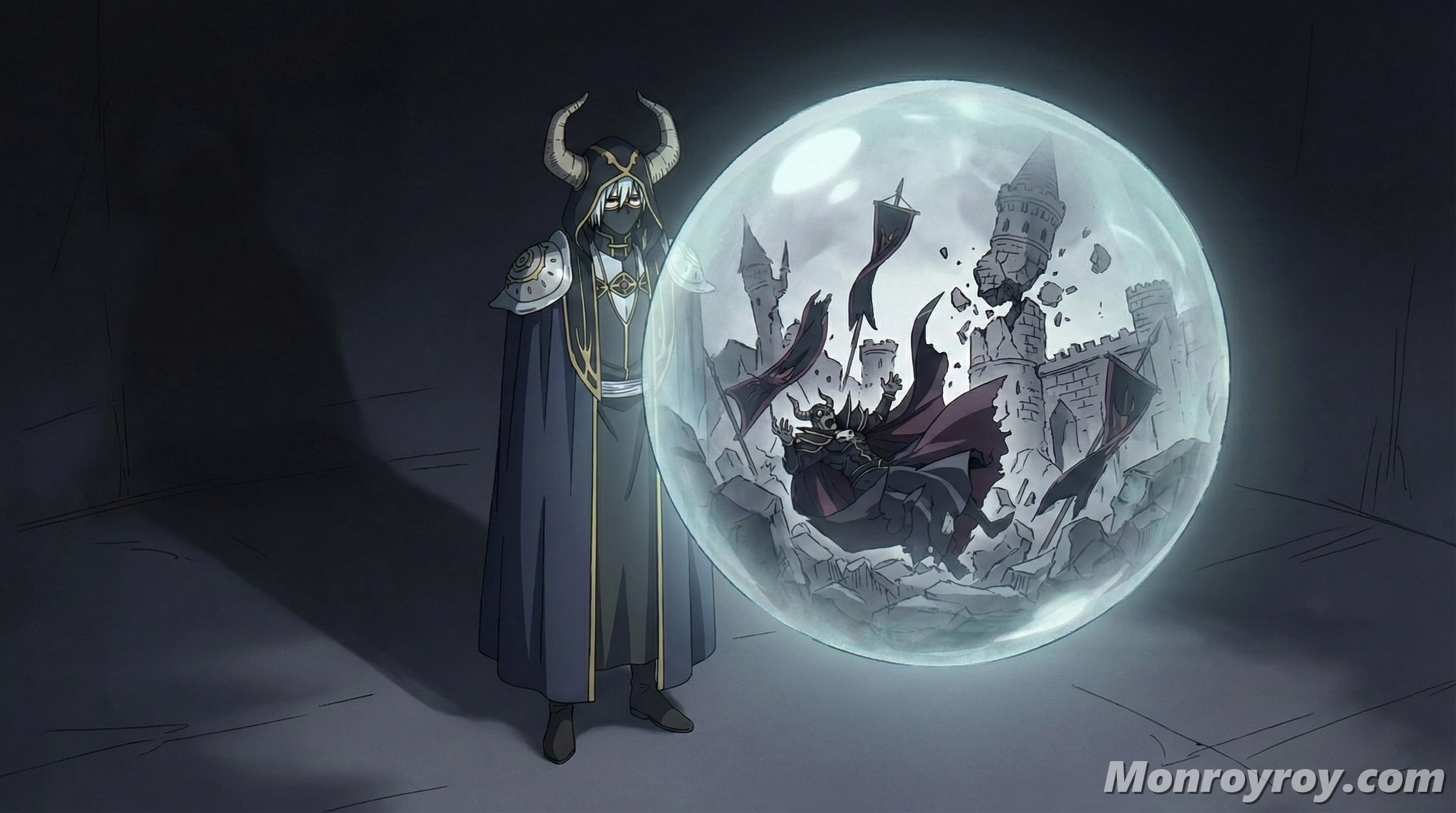
The manga tells us that Schlacht and the Hero of the South killed each other in the Northern Plateau.
A mutual demise.
But Schlacht’s own actions cast doubt on that conclusion.
Most notably, there is his absolute insistence on erasing Macht’s memories of the final battle.
If Schlacht truly died there, why go to such lengths to hide what happened?
What secret was so dangerous that even a future Frieren could not be allowed to see it?
This single decision is the foundation of nearly every theory surrounding Schlacht.
What We Know About the Battle
Most records of the battle were deliberately erased.
But the fragments tell us enough.
One demon commander. Seven Sages of Destruction. Against one man.
The Hero of the South foresaw every attack. And still, he killed three of the Sages.
Throughout the battle, Schlacht did not fight blindly. He continuously adjusted his strategy based on the timelines he saw unfolding.
And yet, the outcome remained the same.
Both Schlacht and the Hero fell. Or so we are told.
Why Would Schlacht Accept a Draw?
This is the core paradox.
Why would a being who sees the future choose a path that ends in his own death?
The strategic explanation may be as simple as this:
In every future Schlacht observed, if he retreated or survived without eliminating the Hero, the Hero would reach the Demon King and annihilate demonkind far sooner.
Schlacht’s death was the price for removing humanity’s strongest piece from the board.
But there may be more. A deeper, more unsettling possibility.
The Meaning of the Thousand-Year Plan
Schlacht himself describes the battle as:
- A contingency for failure.
- A war for demonkind a thousand years from now.
This implies acceptance.
He knew the Demon King would lose.
Schlacht did not try to prevent it. Instead, he planned beyond it.
The number “one thousand years” is not arbitrary.
It aligns with cycles of civilizational decline.
Schlacht may be aiming for an era in which human magic has weakened, or a time when all heroes have died and been forgotten, allowing demonkind to rise again with its knowledge and power preserved.
Or his plan may be an adaptation.
Schlacht may have recognized the fundamental weaknesses of demonkind — a lack of cooperation and an inability to understand emotion.
His plan could involve seeding the evolution of demons, creating beings capable of understanding or simulating human emotions more effectively, much like what Macht or Solitär attempted, albeit in distorted ways.
7. Why Did Schlacht Erase Macht’s Memories?
This question haunts the narrative.
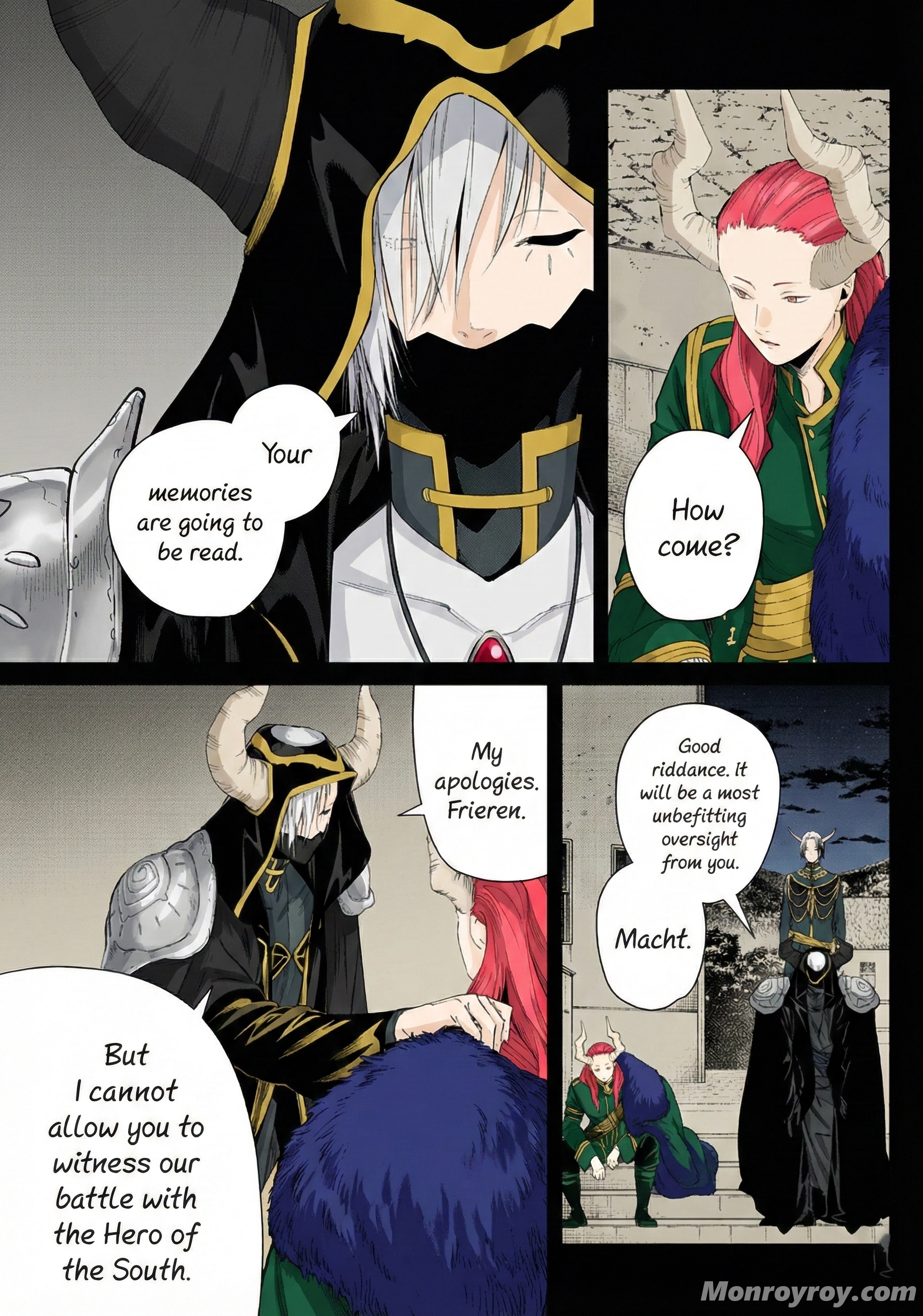
Schlacht ordered Grausam to erase all memories of the battle from Macht for one specific reason:
“To prevent Frieren from reading them in the future.”
That means Schlacht saw Frieren clearly — decades ahead — as a threat to his plan.
What was hidden in those memories?
Several theories exist:
- The true nature of Schlacht’s “death.”
- A method to counter Diagoldze too early.
- A secret agreement between Schlacht and the Hero of the South.
But the most widely accepted theory is this:
Schlacht did not die.
8. Leading Theories About Schlacht’s Fate
The following ideas are theories based on the clues described above. They have not been confirmed as fact.
Schlacht Is Still Alive
This is the most popular theory in the community.
The arguments are simple, but strong:
- No body is ever shown.
- Memory erasure would be unnecessary if Schlacht truly died.
- A being with future sight would logically prepare an escape.
Some believe Schlacht placed himself in a sealed or dormant state, waiting for the thousand-year mark to awaken.
Others speculate that Böse the Immortal, whose title literally means “the Undying,” may possess a resurrection or survival ability that has never been fully revealed.
According to this theory, Böse may have intervened at the final moment after Schlacht received a fatal blow from the Hero of the South.
That intervention may have prevented his true death and allowed him to escape, be sealed away, or persist in some altered state.
If this were the case, it would explain why Schlacht was so insistent on erasing Macht’s memories of the battle — because revealing what truly happened would expose the fact that Schlacht did not die there.
Schlacht Became Part of the System
Another theory suggests Schlacht abandoned physical existence altogether.
He may have transferred his consciousness into mana flow, artifacts, or recorded structures.
A watcher embedded in the world itself.
No longer the Demon King’s strategist, but a silent observer nudging events just enough to preserve his design.
Grausam Is Carrying Schlacht’s Will
In the Goddess Monument arc, Grausam shows a particular interest in time-travel magic and in Frieren’s memories originating from the future.
This has led some to speculate that Schlacht may have foreseen Frieren’s return to the past.
He may have instructed Grausam to gather information from her in order to complete his vision of the future.