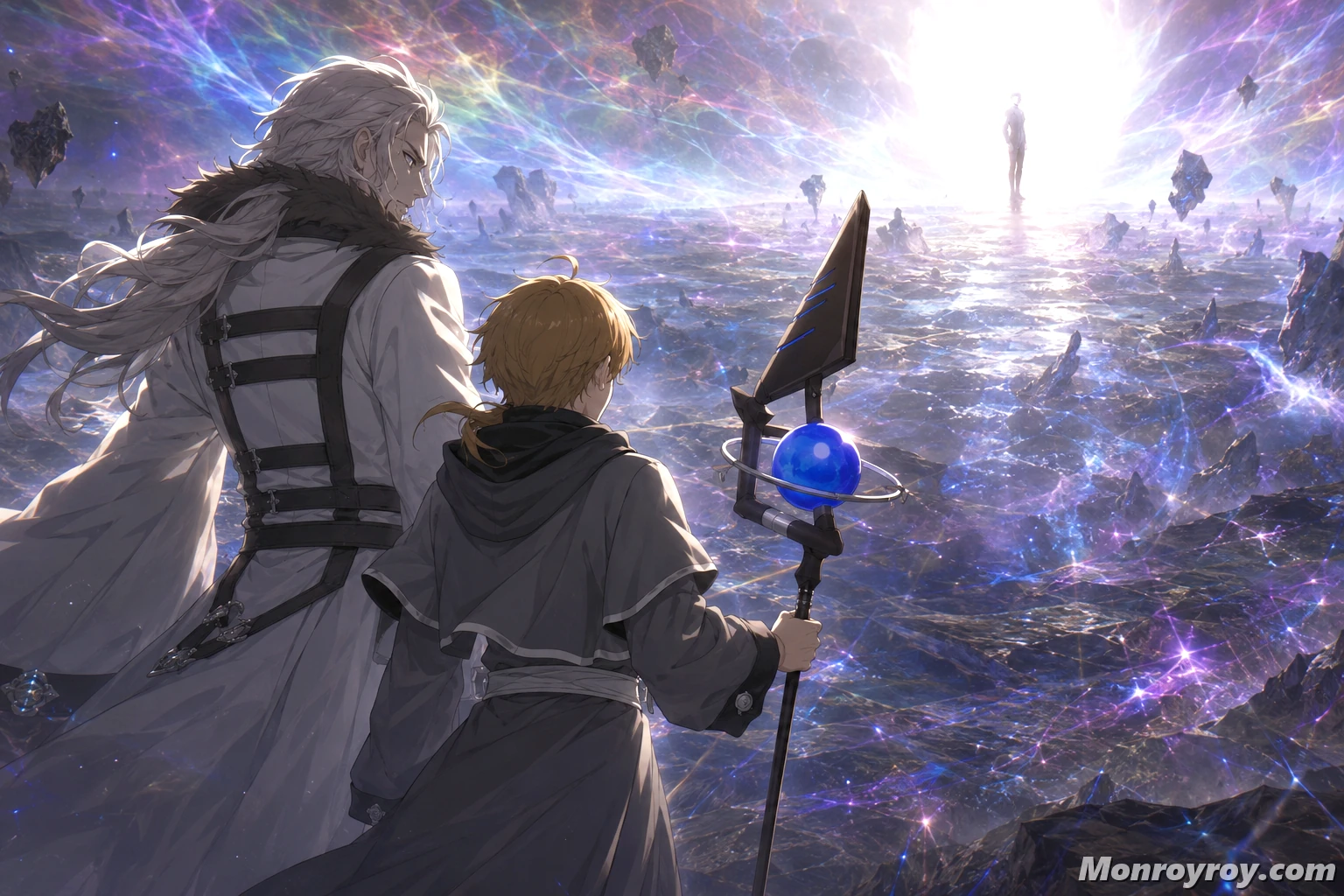
Orsted Mushoku Tensei analysis usually begins with power. He is the Dragon God, the second-ranked member of the Seven Great Powers and the one man Hitogami fears more than anyone else.
Yet power is not what makes Orsted one of the series’ most fascinating characters.
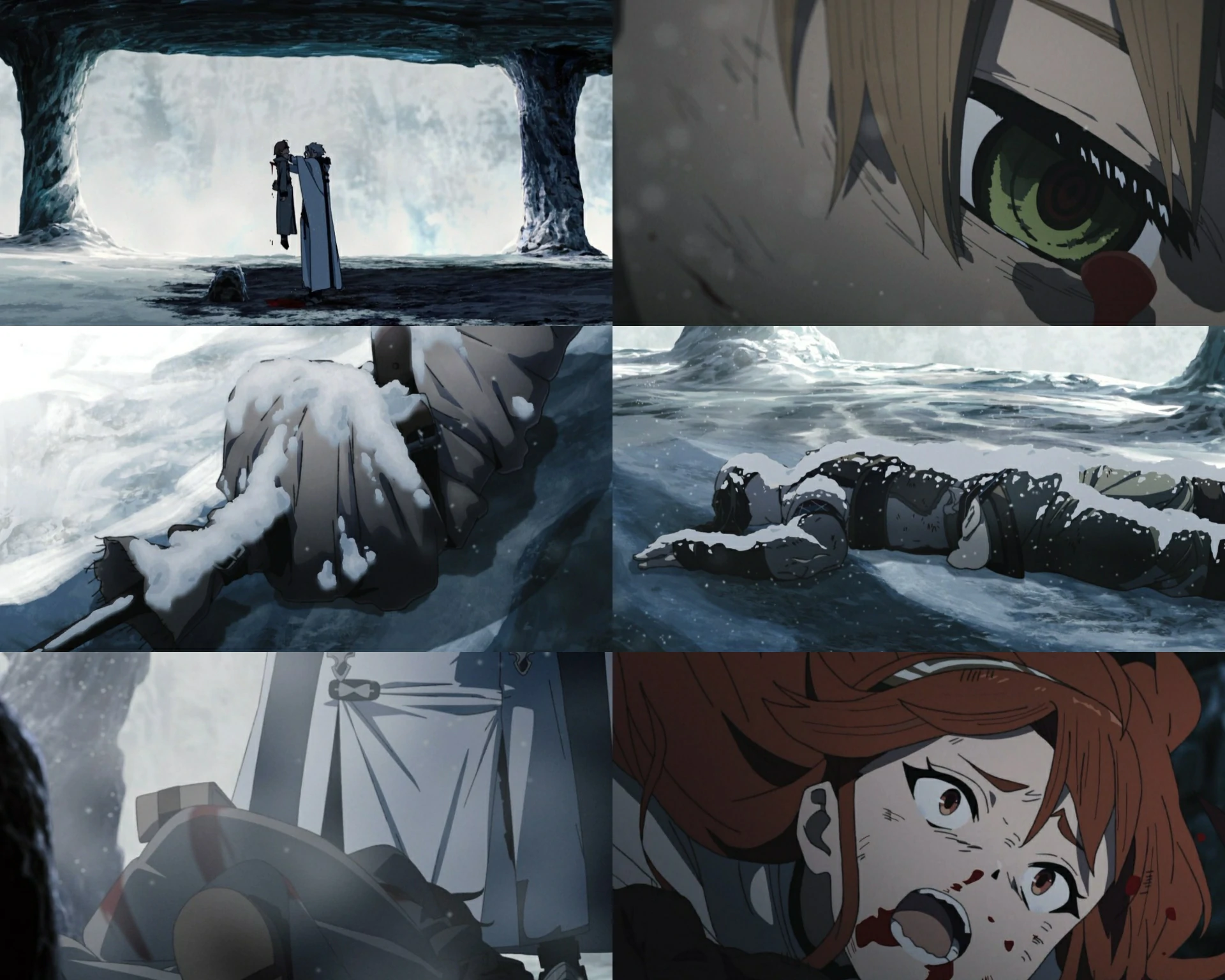
His first appearance frames him like a final villain. His expression is cold, his voice offers no comfort and his presence fills Eris and Ruijerd with instinctive terror. Moments later, he crushes them and leaves Rudeus on the edge of death.
That image is unforgettable—but incomplete.
As the story continues, Orsted becomes the man who spares an enemy, heals the wounds he caused, equips Rudeus for impossible battles, protects his family and gradually learns to trust people inside a life defined by curses and repeated failure.
So which version is real: the ruthless Dragon God or the compassionate ally?
The answer is both—and understanding the distance between those two faces reveals the tragedy at the center of Orsted’s character.
Major spoiler warning: This analysis covers later light novel material, including Rudeus’s alliance with Orsted, the Asura Kingdom conflict and events involving Randolph Marianne.
Character context: Orsted’s curse causes most living beings to fear and hate him instinctively. His cold behavior is real, but the hostility people feel around him is also magnified before he has said or done anything.
1. Why Orsted Looks Like a Villain
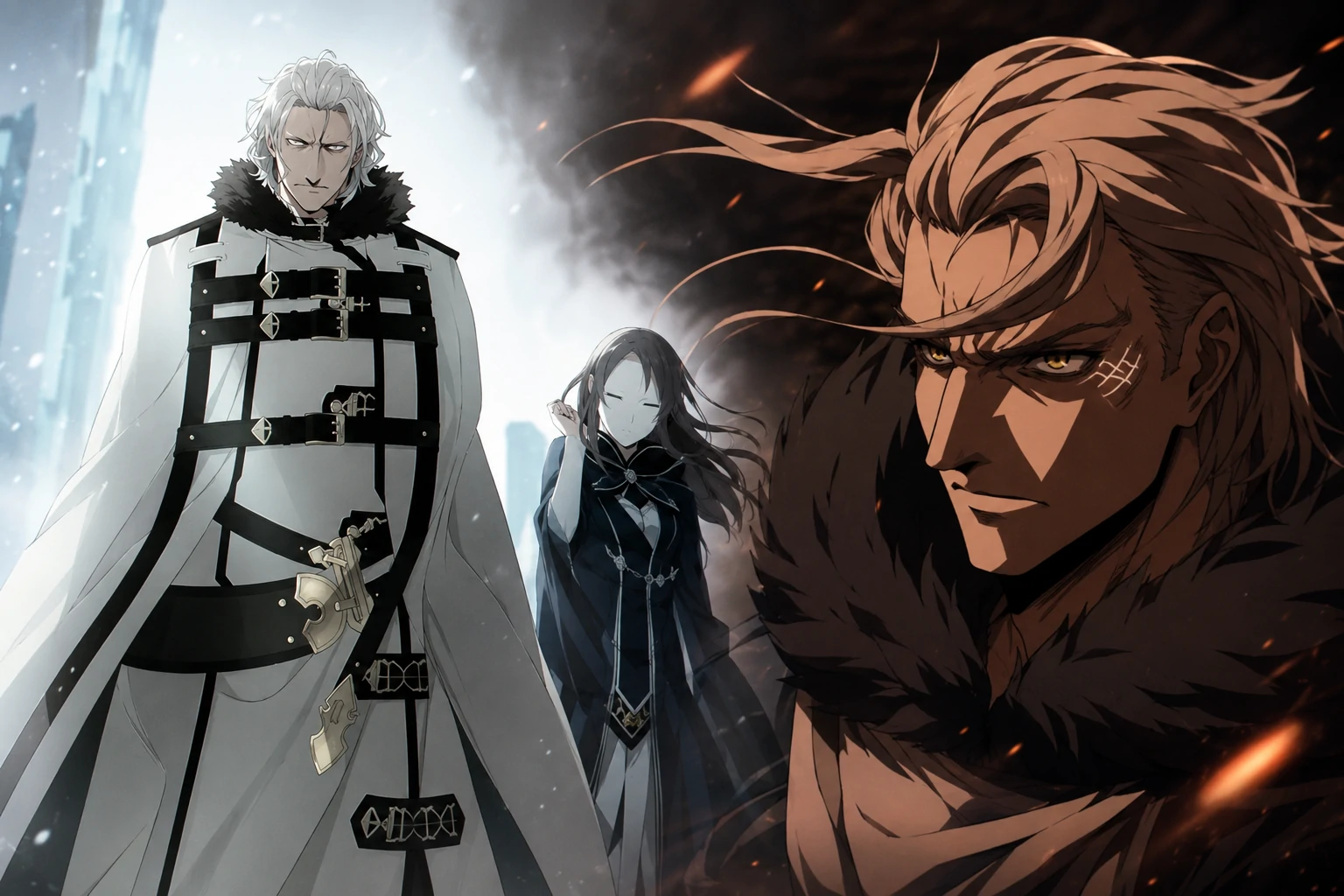
Orsted is designed to be misunderstood.
He rarely smiles. His speech is short, formal and emotionally distant. His enormous strength allows him to end fights before anyone else can understand what has happened. Even without attacking, he creates the sense that violence could begin at any moment.
His curse makes that impression far worse.
Most creatures instinctively fear and despise him. They do not meet a neutral stranger and slowly decide whether he is dangerous. Their bodies tell them he is dangerous before their minds have gathered evidence.
That explains why Orsted’s social skills remain so limited. Every ordinary interaction begins with suspicion, panic or hatred. Over countless loops, he has had little reason to practice warmth because warmth rarely changes the reaction he receives.
His first encounter with Rudeus, Eris and Ruijerd uses that curse perfectly.
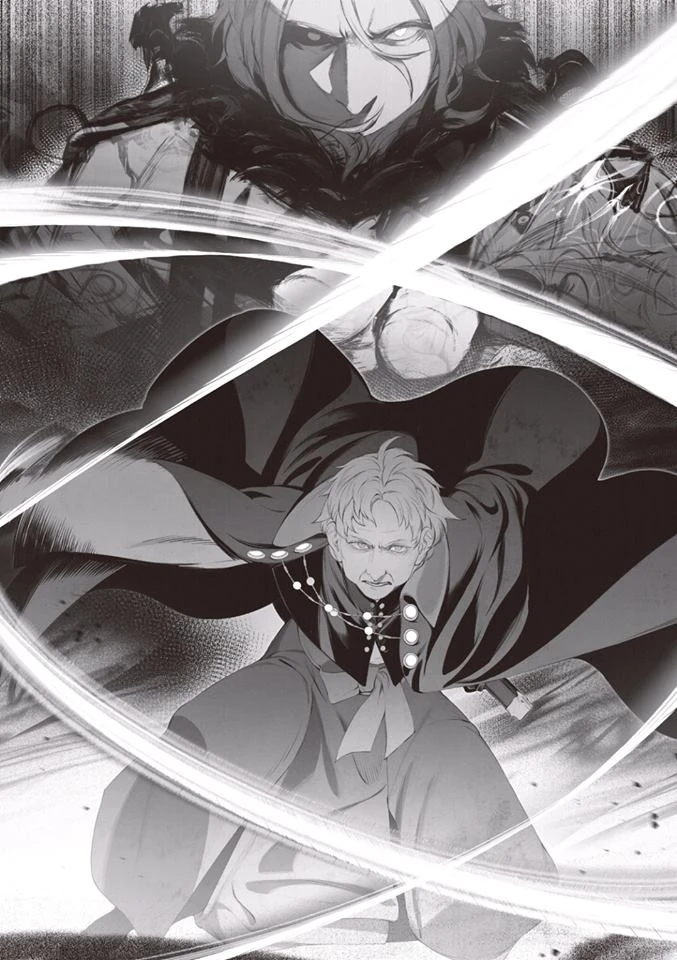
Rudeus initially tries to understand the stranger in front of him. Eris and Ruijerd react far more violently. Once Orsted learns that Hitogami appears in Rudeus’s dreams, the tension becomes lethal. He defeats Ruijerd and Eris with ease, then destroys Rudeus’s internal organs.
From the heroes’ perspective, Orsted looks like a merciless monster.
From Orsted’s perspective, he has discovered another possible apostle of the enemy who has ruined his plans across repeated histories.
The key difference: Orsted is not cruel because suffering entertains him. His brutality is strategic, shaped by a war against Hitogami that has repeated for longer than the people around him can imagine.
2. Orsted’s Violence Has One Clear Target: Hitogami
Orsted reacts most violently to Hitogami’s apostles and to anyone whose actions threaten the future he is trying to build.
That distinction matters.
Eris and Ruijerd physically stand between Orsted and Rudeus, yet he does not pursue them after removing them from the fight. Rudeus remains the target because Rudeus is the person connected to Hitogami.
Even then, the encounter does not end with an execution.
Nanahoshi persuades Orsted to reconsider. He turns back, heals Rudeus and restores the life he had nearly taken. The choice is practical—Nanahoshi gives him a reason to believe Rudeus may be unusual—but practicality does not erase the mercy involved.
Orsted had already classified Rudeus as a possible enemy. He still chose to spare him.
That decision becomes even more significant when viewed against Orsted’s previous loops. He has learned to eliminate Hitogami’s servants before they can damage his plans. Hesitation can cost him an entire lifetime of preparation.
Rudeus becomes the exception.
At first, Orsted spares him because Nanahoshi intervenes. Later, he keeps him alive because Rudeus proves that his future is not controlled entirely by Hitogami. Eventually, Orsted fights beside the same man he once killed without hesitation.
The most important act of kindness in Orsted’s story is not that he trusted Rudeus immediately. It is that he allowed Rudeus enough time to earn that trust.
3. Orsted Is a Leader Who Equips and Protects Rudeus
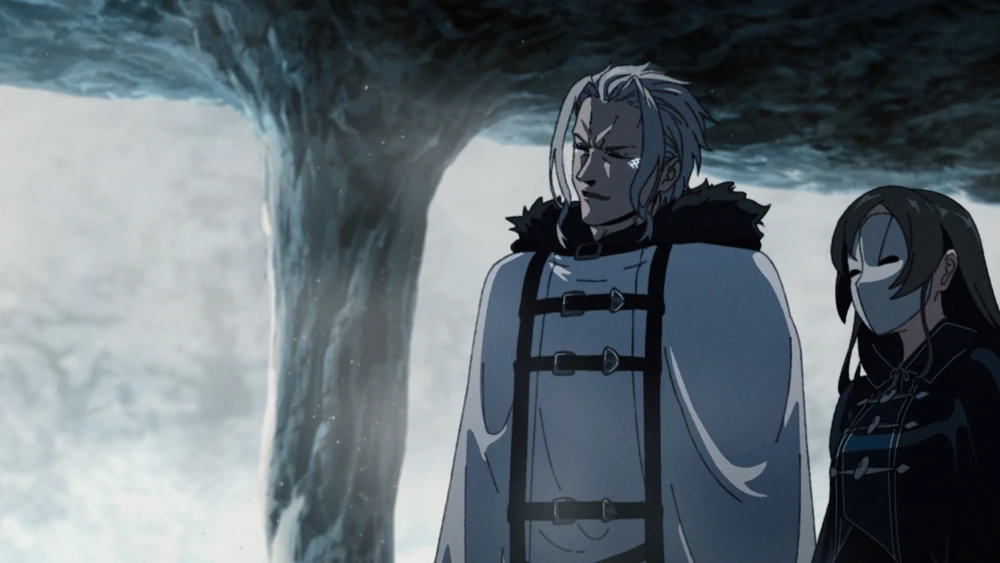
Once Rudeus joins Orsted, the Dragon God does not treat him as disposable labor.
He gives him access to knowledge, resources and equipment that would be impossible to obtain alone. Rudeus receives advanced tools, teleportation circles, strategic information and methods for strengthening the defenses around his family.
Orsted also helps him learn how to summon the Sacred Beast, providing another layer of protection against Hitogami’s future interference.
The relationship begins as a contract, but Orsted consistently behaves like a leader who understands that a valuable ally must be prepared to survive.
That support becomes decisive in later battles.
During the confrontation with Death God Randolph Marianne, the equipment and protective resources connected to Orsted help prevent the mission from becoming a catastrophe. Roxy survives a battle in which a single missing defense could have produced another broken future for Rudeus.
Orsted does not remain safely behind the operation either.
In the Asura Kingdom, he stays close enough to intervene if Rudeus’s team reaches a point they cannot escape. When Water God Reida Reia traps the group and turns the audience chamber into a death zone, Orsted appears and ends the crisis.
The entrance is dramatic because it confirms what Rudeus’s alliance has changed.
In the past, Orsted was the threat at the end of the road. Now he is the force waiting behind Rudeus, ready to step forward when every other option has failed.
Why this leadership works: Orsted gives Rudeus freedom to solve problems independently, but he does not confuse independence with abandonment. He provides tools, information and direct intervention when the mission demands it.
4. Mercy, Trust and the Ability to Apologize
Orsted’s personality changes most clearly through the trust he develops with Rudeus.
At the beginning, every conversation contains suspicion. Orsted withholds information, watches Rudeus from a distance and prepares for betrayal. Rudeus obeys because the alternative is losing his family.
That is not friendship. It is a fragile alliance created by fear.
The relationship becomes meaningful because neither man remains trapped in that beginning.
After the Asura Kingdom operation, Orsted admits that he monitored Rudeus and concealed part of the truth about his abilities. More importantly, he apologizes.
For a man who has spent countless loops relying only on himself, the apology is enormous. It means Orsted has begun treating Rudeus not as another variable in a repeating plan, but as a partner who deserves honesty.
He also listens.
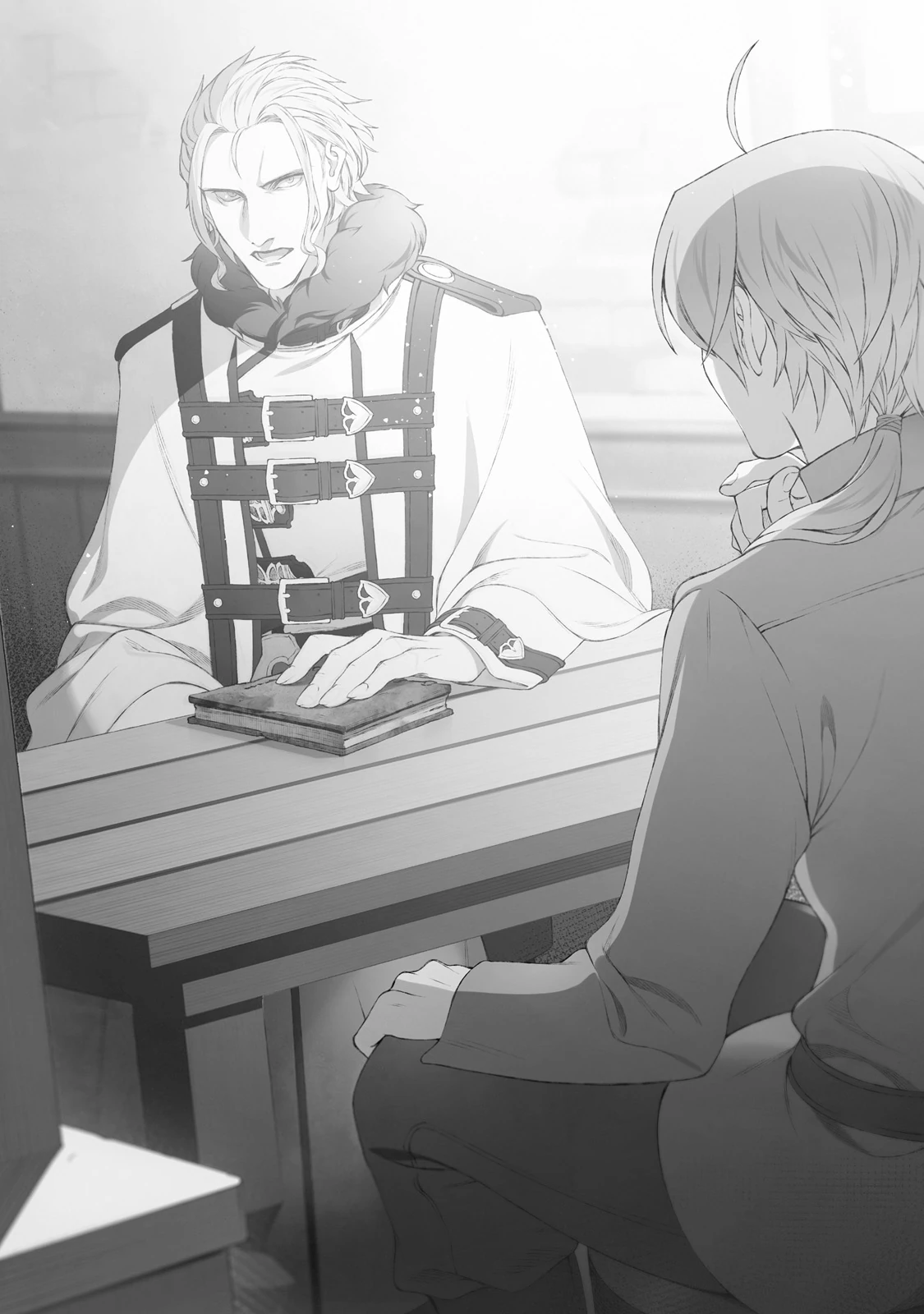
When Luke Notos Greyrat appears suspicious, Orsted’s initial solution is simple: kill him before he can become a threat. Rudeus explains that Luke is essential to Ariel Anemoi Asura’s future reign and asks for the situation to be handled differently.
Orsted does not dismiss the objection. He entrusts the matter to Rudeus.
This willingness to change course separates Orsted from Hitogami.
Hitogami gives advice that appears helpful while hiding the future he wants to create. Orsted can be secretive and controlling, but he gradually allows Rudeus to challenge his judgment. The alliance becomes stronger because Rudeus is not required to surrender his own mind.
The most revealing words: Orsted tells Rudeus that he trusts him. Later, he expresses the desire to fight while believing in his comrades. For someone shaped by endless isolation, those statements are acts of vulnerability.
5. Orsted’s Softer Side With Children and Comrades
The curse hides Orsted’s gentleness from almost everyone.
Rudeus’s children are different.
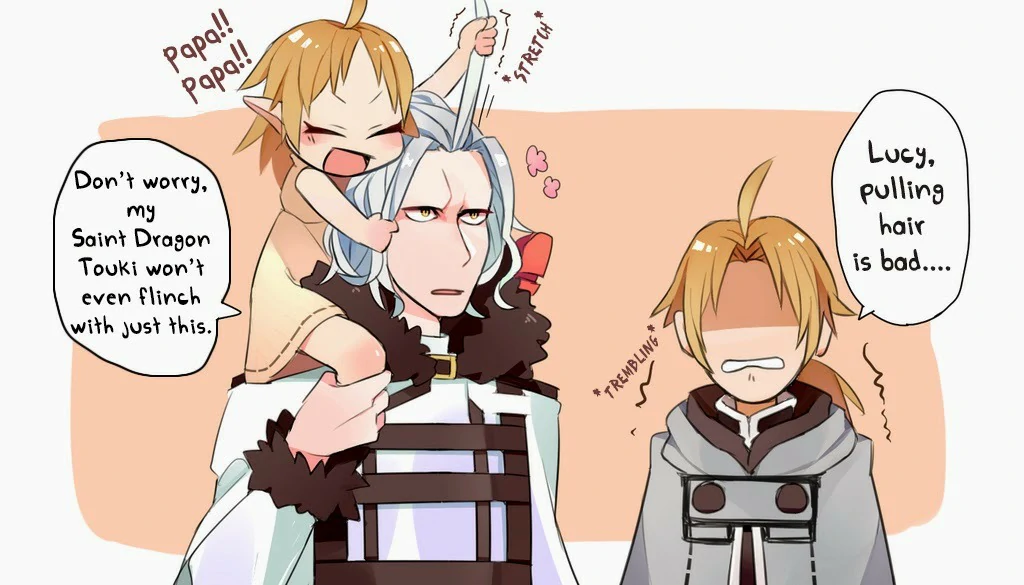
Because they are not overwhelmed by the same instinctive fear, they can approach Orsted without seeing a monster. Their behavior reveals the patience he rarely has the opportunity to show.
When Lucy sits on his shoulders and pulls his hair, Orsted does not become angry. Rudeus tries to correct her, but Orsted calmly explains that such behavior cannot hurt him through his Dragon Saint Battle Aura.
The scene is funny, but its emotional meaning runs deeper.
Orsted has spent lifetimes being feared before anyone knows him. A child treating him like an ordinary adult is something almost no one else can give him.
He is similarly humble with the people who work beside him.
Orsted prefers to think of them as comrades rather than subordinates, even though the gap in power and status is enormous. Rudeus insists on maintaining a clearer hierarchy because he respects the man who defeated and then spared him. Orsted eventually allows the arrangement, but the preference itself reveals how he views cooperation.
He does not want worship.
He wants people capable of standing beside him when the final war begins.
Several of his shortest lines express that side more clearly than any speech:
- He reassures an exhausted ally that enough has already been done.
- He wishes Rudeus a safe return instead of treating survival as an obligation.
- He admits that he wants to fight while believing in his companions.
These are small statements from an ordinary leader. From Orsted, they represent centuries of loneliness beginning to break.
6. Orsted’s Complicated Feelings Toward the Dragon Tribe
Orsted becomes noticeably more emotional when conversations turn toward the Dragon Tribe and the title of Dragon King.
That reaction exposes a wound the story does not reduce to a simple rivalry.
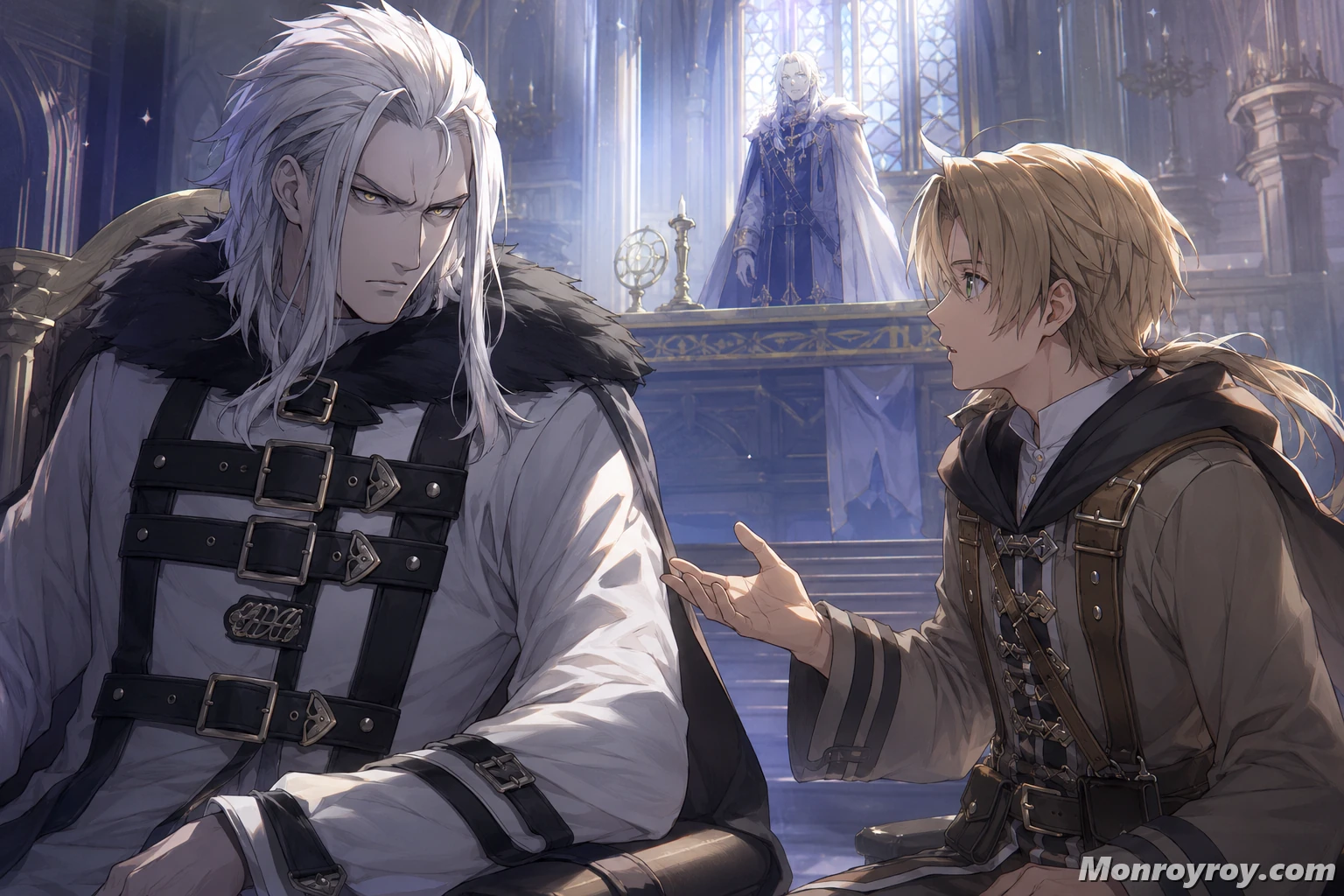
When Rudeus suggests that Orsted should present himself as a Dragon King to make future negotiations easier, Orsted rejects the idea immediately. In his view, too many people claim the title while living according to small pride and dying in meaningless conflicts.
He refuses to place himself among them.
The response also helps explain his tension around Perugius Dola, one of the surviving Dragon Kings. Orsted’s identity is tied to a mission far larger than prestige, territory or reputation. A lesser title does not honor him. It misunderstands the burden he carries.
His anger is therefore not vanity.
It comes from the distance between what the Dragon Tribe once represented and what its surviving titles have become.
Orsted has no interest in being recognized as one more powerful Dragon King. He is the Dragon God, the heir to a plan that has consumed repeated lives and left him alone with knowledge no one else remembers.
What this reveals: Orsted is calm when discussing his own strength, but the history of the Dragon Tribe can still break through his emotional control. The subject touches identity, failure and inherited responsibility all at once.
7. The Wealthy Collector Behind the Plain White Coat
Orsted looks like a wanderer who owns almost nothing.
He wears the same practical white coat, carries no visible collection and moves across the world without displaying wealth. Yet the resources available to him are extraordinary.
When Rudeus raises the question of operational funds, Orsted can provide objects that would be lifetime treasures for almost anyone else.
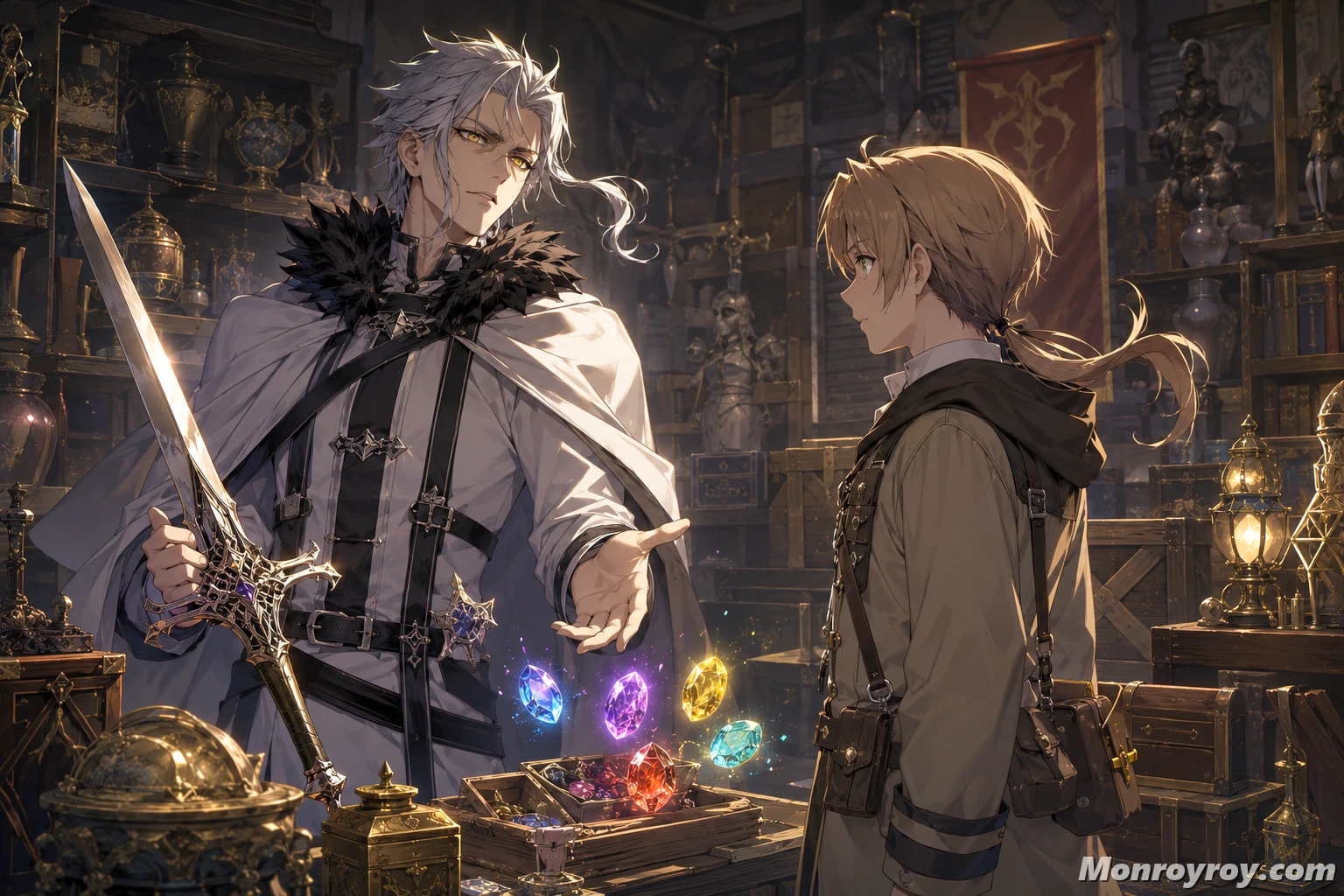
Among them is an ornate weapon connected to the Forty-Eight Magic Swords, a legendary group created by master smith Julian Jalisco from materials taken from the King Dragon King’s body. Its estimated value reaches roughly one hundred thousand Asuran gold coins.
Orsted treats such an object as mission funding.
He also supplies valuable magic stones and rare equipment without behaving as though he has made a personal sacrifice. The contrast is almost absurd: a man who dresses like a homeless traveler quietly possesses resources capable of financing entire organizations.
The generosity is important because it is not performative.
Orsted does not offer gifts to earn admiration. He gives Rudeus what the mission requires and what his family may need to survive. Wealth is simply another weapon in the war against Hitogami.
That practicality makes him an ideal patron for the ORSTED Corporation.
Rudeus brings creativity, social connections and the ability to move among people who fear Orsted. Orsted brings knowledge, capital, ancient artifacts and the strategic memory of repeated histories.
Together, they create something neither could build alone.
8. Final Verdict: Is Orsted Truly a Ruthless Monster?
Orsted is ruthless.
He will kill a suspected apostle, destroy an enemy without hesitation and sacrifice almost anything if it moves him closer to defeating Hitogami.
But ruthlessness is not the same as cruelty.
Orsted does not enjoy breaking people. He does not manipulate allies for entertainment or laugh when their families collapse. His violence has a purpose, and his harshest decisions are shaped by memories of futures in which hesitation ended in failure.
What makes him compassionate is not softness.
It is restraint from someone powerful enough to solve almost every problem through force.
He spares Rudeus after believing him to be an enemy. He heals the body he destroyed. He protects Rudeus’s family, gives him the tools to survive and listens when his new ally argues for another path. He apologizes when trust becomes possible. He tolerates children climbing over him. He begins to call isolated pawns comrades.
Orsted’s journey is not the transformation of a villain into a good man.
It is the revelation that a good man has been buried beneath a curse, endless war and too many failed timelines.
Rudeus does not create Orsted’s humanity. He becomes one of the first people able to see it—and one of the first companions who gives the Dragon God a reason to show it again.
That is why Orsted’s most powerful development has nothing to do with martial arts or the Seven Great Powers.
The man who once trusted only himself finally chooses to fight while believing that someone else may return alive.