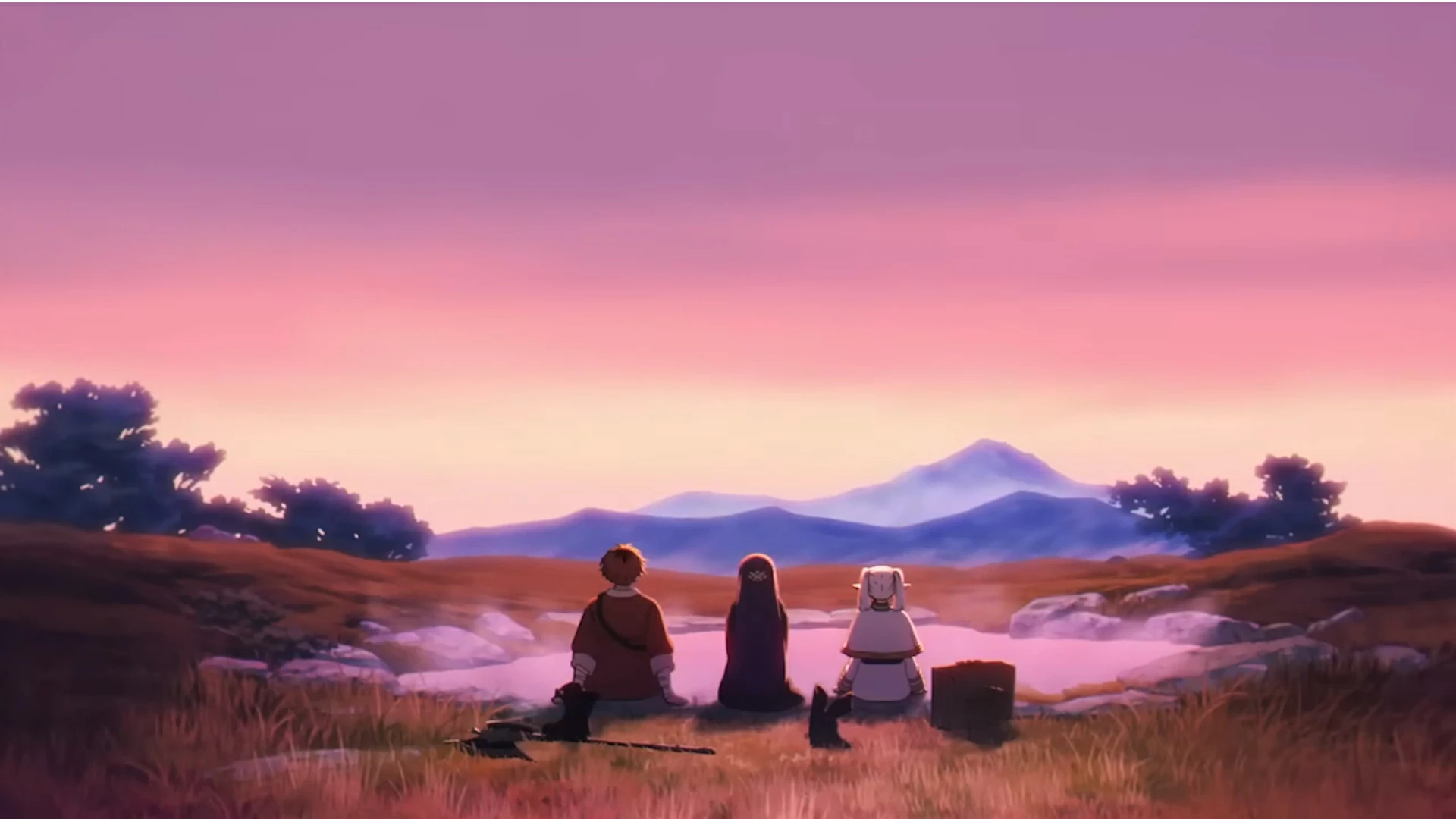
The pointless journey in Frieren begins by breaking the deal most fantasy adventures make with you.
You suffer now, and you get paid later.
A treasure chest. A legendary weapon. A victory that proves the struggle was worth it.
That is the contract.
But Frieren does not sign that contract.
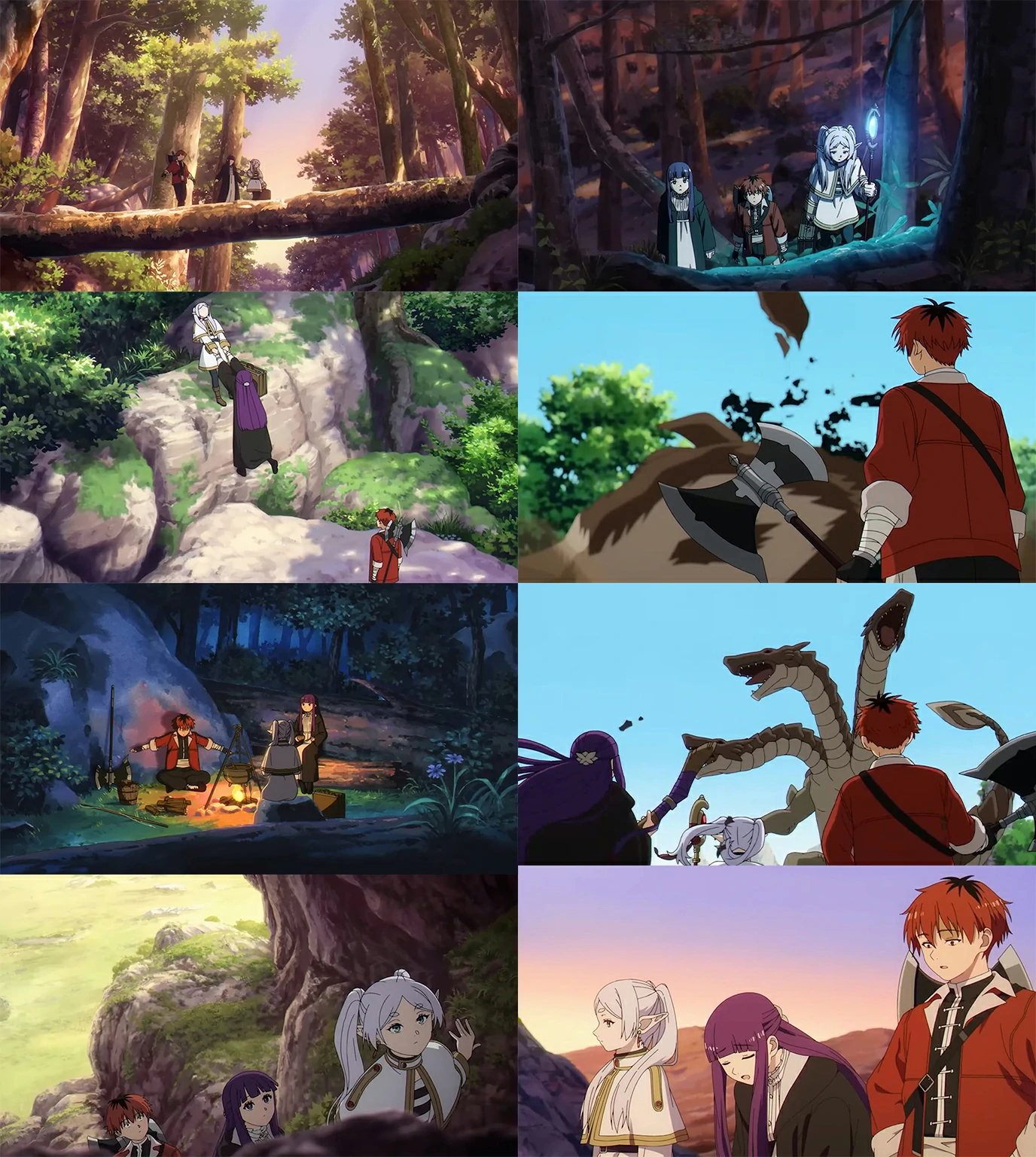
Instead, it sends the party through brutal mountains, through places where monsters still roam, burning time and energy for one reason:
A “secret hot spring.”
And when they finally find it, it is not some grand onsen paradise.
It is a shallow little pool, just high enough to sit down and soak your feet.
So yes, by normal logic, this is the most pointless journey in Frieren.
And that is exactly why it matters.

1. Why the Pointless Journey in Frieren Seems Meaningless
This chapter takes place in the Etwas mountain range, and it plays out like a detour — a side quest that feels almost unnecessary.
If you are watching this like a typical fantasy fan, your brain probably goes:
“Okay, so this is filler.”
“This is the calm episode before something important happens.”
But Frieren does not waste pages by accident.
This chapter is designed to look meaningless on purpose, because it is testing something most stories never test:
What do we personally define as “value”?
Not story value.
Not plot progression.
Not power scaling.
Life value.
Because in real life, the most meaningful moments rarely come with a scoreboard attached.
2. Why Frieren Calls the Journey Pointless
No one embodies results-first thinking more than Frieren herself.
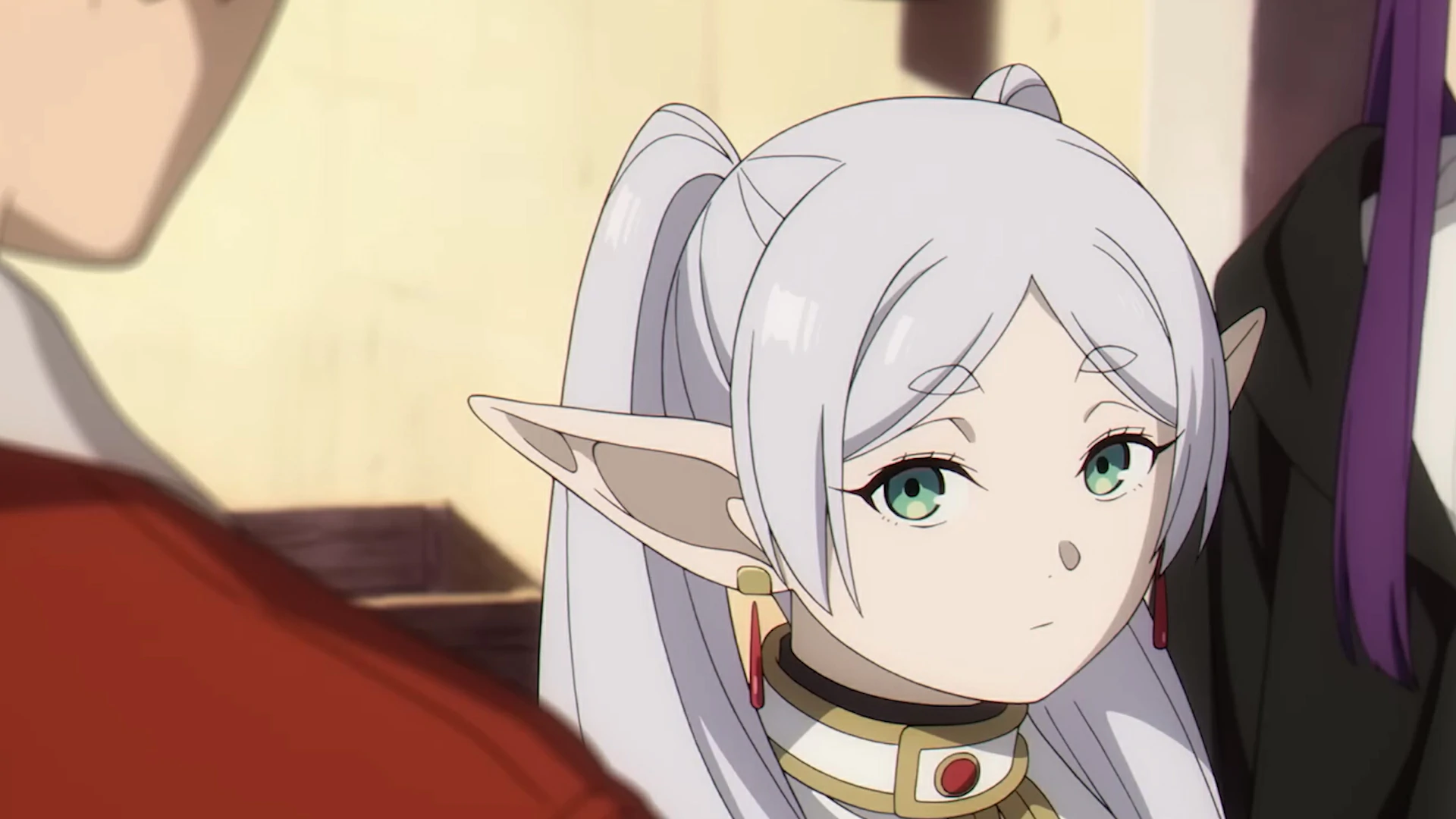
When Stark brings up the “secret hot spring,” Frieren does not light up.
She does not get curious.
She does not lean forward.
She stays flat, neutral, low energy — almost as if she is already bored.
Behind that calm expression is a very simple rule:
Effort should match reward.
If you are going to hike into the mountains, risk running into monsters, and spend time, stamina, and attention, then the destination should pay you back.
So Frieren does what Frieren always does.
She warns everyone before the disappointment hits:
“I don't think it's worth the effort to find it.”
Not because she wants to kill the mood, but because she is measuring the journey with the only scale she trusts:
Results.
And by that scale, the trip is pointless.
3. Why “Or So It Seems” Changes the Meaning of the Journey
Here is the trick.
The title does not say:
“This wasn’t pointless.”
It says:
“Or so it seems.”
That phrase is doing heavy lifting.
The chapter is not arguing that the journey had a big reward.
It is not pretending that the destination is impressive.
Instead, it argues something sharper:
Your definition of “pointless” is incomplete.
If value only exists when there is a prize at the end, then yes, this is a waste of time.
But Frieren is a story about time itself.
And time does not care about trophies.
So the chapter sets a trap.
It makes you agree with Frieren at first. It invites you to roll your eyes and think:
“Why are we doing this?”
Then it pivots.
Not by changing the destination, but by changing what you are looking for.
Stark Understands the Real Reward First
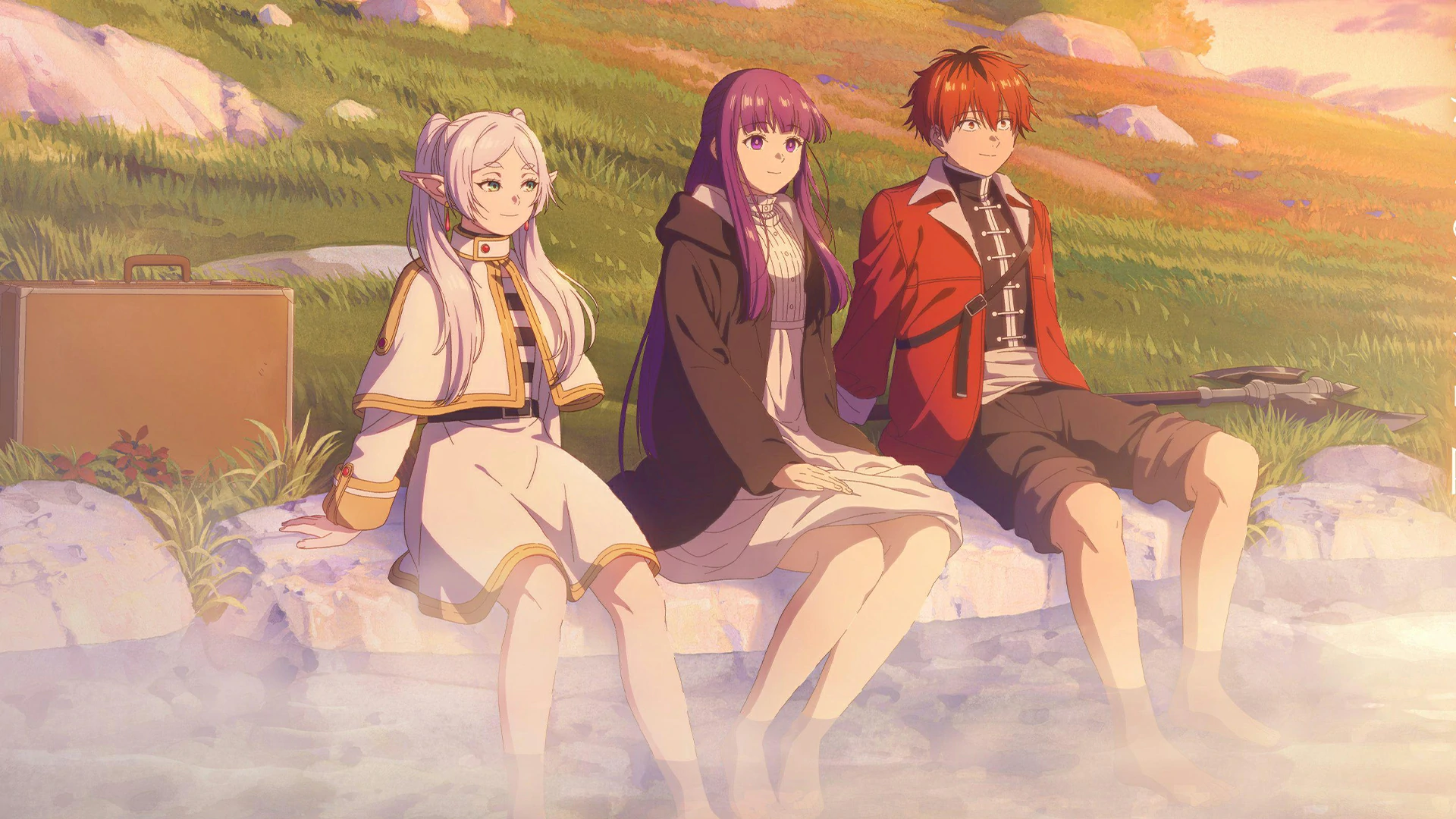
When Frieren’s party finally arrives, Stark is the first one to smile.
He looks at the hot spring, realizes how shallow it is, and says:
“But, isn't this fine?”
Not because he is forcing optimism.
The goal was never to bathe in luxury.
The real win is simple:
All of them can sit down together and soak their feet after a long day.
Even Frieren quietly agrees.
No dramatic speech.
Just a small, calm “yeah.”
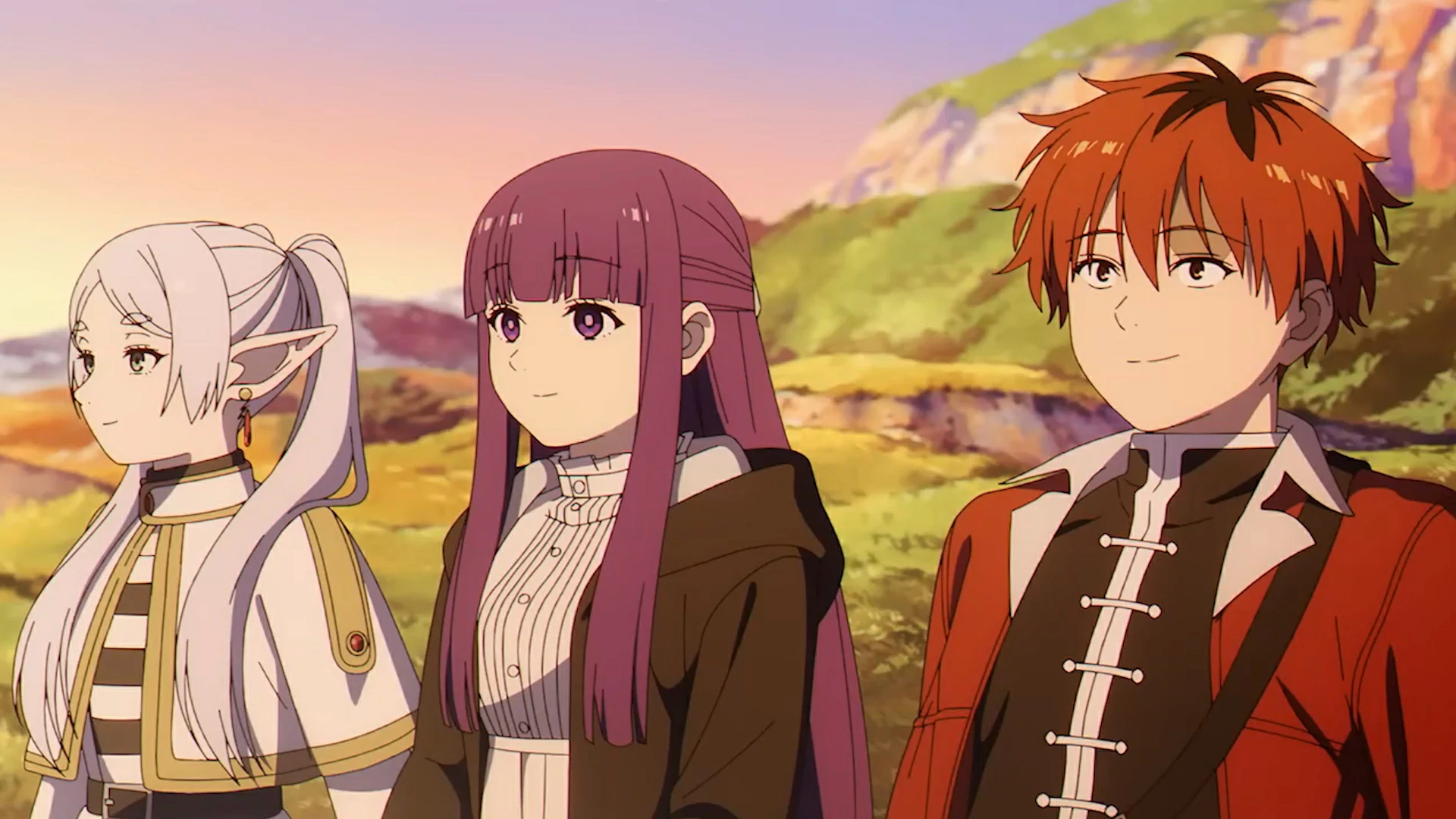
Then Fern, sitting there with them, looks out at the scenery and says it is beautiful.
She asks the exact question the chapter wants the viewer to ask:
“Stark… why did you want to come here?”
Eisen’s Story Reveals Why Stark Came
That is when Stark reveals the real reason.
He chased the hot spring because of a story.
A story Eisen told him.
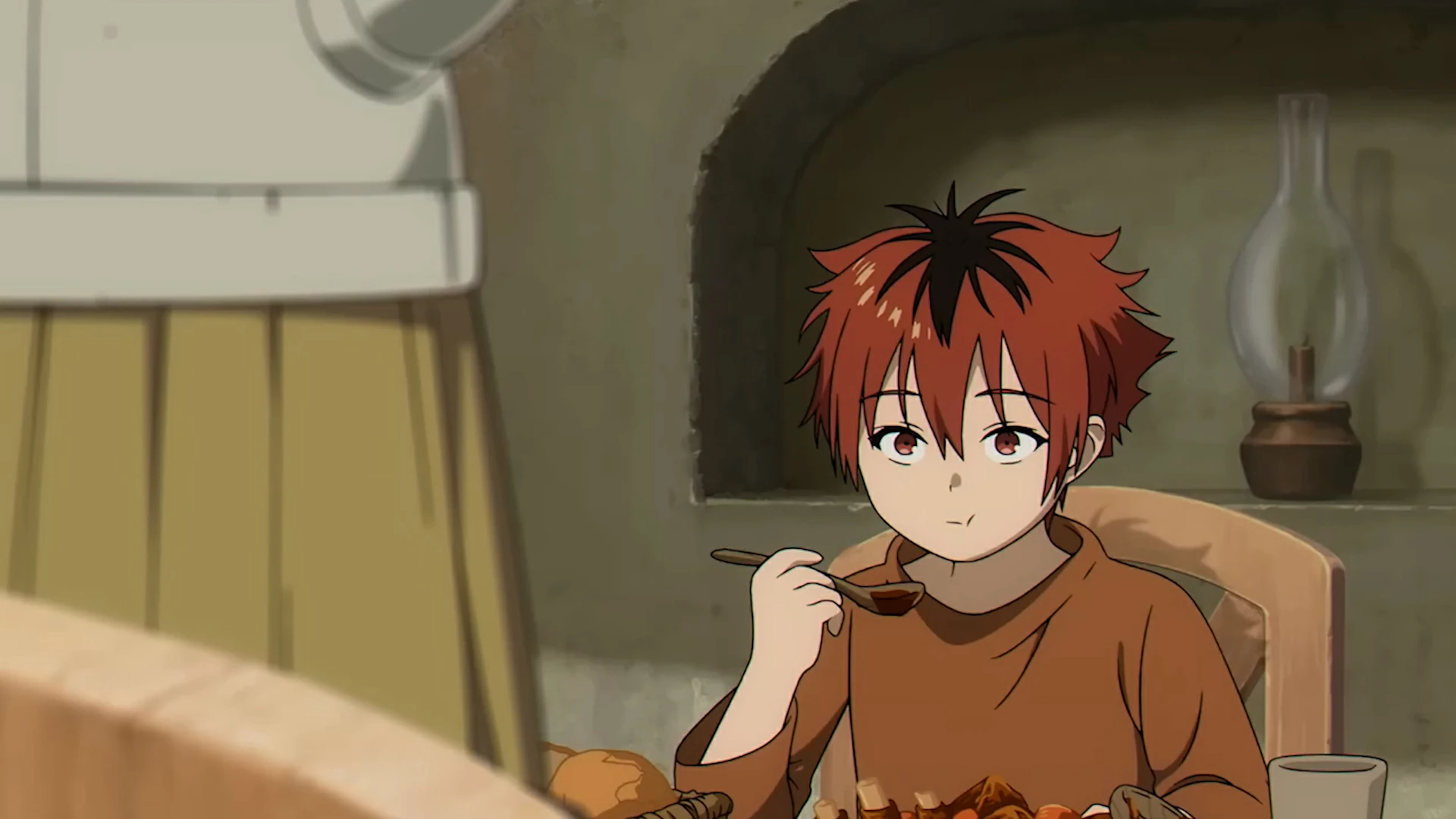
We cut back to a younger Stark eating with Eisen, while Eisen describes the “secret hot spring.”
Eisen admits that his first reaction was basically the same as Frieren’s.
When he discovered that the hot spring was only deep enough for a foot soak, he thought:
“That was pointless. Not worth the effort.”
But then he adds the part that stays in Stark’s head for years.
Even a useless adventure can become unforgettable.
Because the pointless journeys — the ones that do not give you a reward — are often the ones that leave behind the strongest memories when you share them with your companions.
Back in the present, Stark smiles.
Because now he gets it.
The hot spring does not have to be impressive. The experience does.
That is when the chapter fully turns.
Suddenly, it is not about the depth of the water.
It is about the depth of the moment.
You can hear a hundred stories about a place and still not understand it.
You only understand it when you sit there yourself.
4. A Hundred Stories Cannot Replace One Experience
Now we can finally talk about the real message of the journey:
“A Hundred Stories Can’t Replace One Experience.”
From what the characters say, the chapter points toward three kinds of emotion that can only be earned by walking the road yourself.
Curiosity and the Adventure Instinct
Think about when you were a kid.
Your parents tell you:
- “Don’t do that.”
- “It’s unnecessary.”
- “It’s dangerous.”
- “It’s not worth it.”
Your parents are not lying.
A lot of the time, they are right.
They have already seen how it ends.
But even if you believe them, there is still a part of you that doubts.
Not because you think they are wrong.
But because the human mind wants something else:
It wants confirmation that is yours.
Even if you do the thing, come back, and realize, “Yeah, they were right,” the feeling is still completely different.
You did not simply accept the conclusion.
You arrived at the conclusion.
And that difference matters.
That is the psychology Frieren is pointing at.
Stark is exactly the same.
Eisen could tell Stark everything about the secret hot spring.
Where it is.
How small it is.
How pointless it looks.
But Stark still wants to go.
Not to prove Eisen wrong.
Not to chase a reward.
Just to satisfy something deeply human:
“I want to see it with my own eyes… and feel it with my own heart.”
That curiosity — the need to confirm reality for yourself — is a kind of emotional energy no story can give you.
A story can hand you information. Only experience gives you certainty.
Feeling the Beauty of a Place
The second layer is the scenery.
And the key idea is this:
Beauty is a reward you cannot transfer.
Yes, the hot spring itself is tiny.
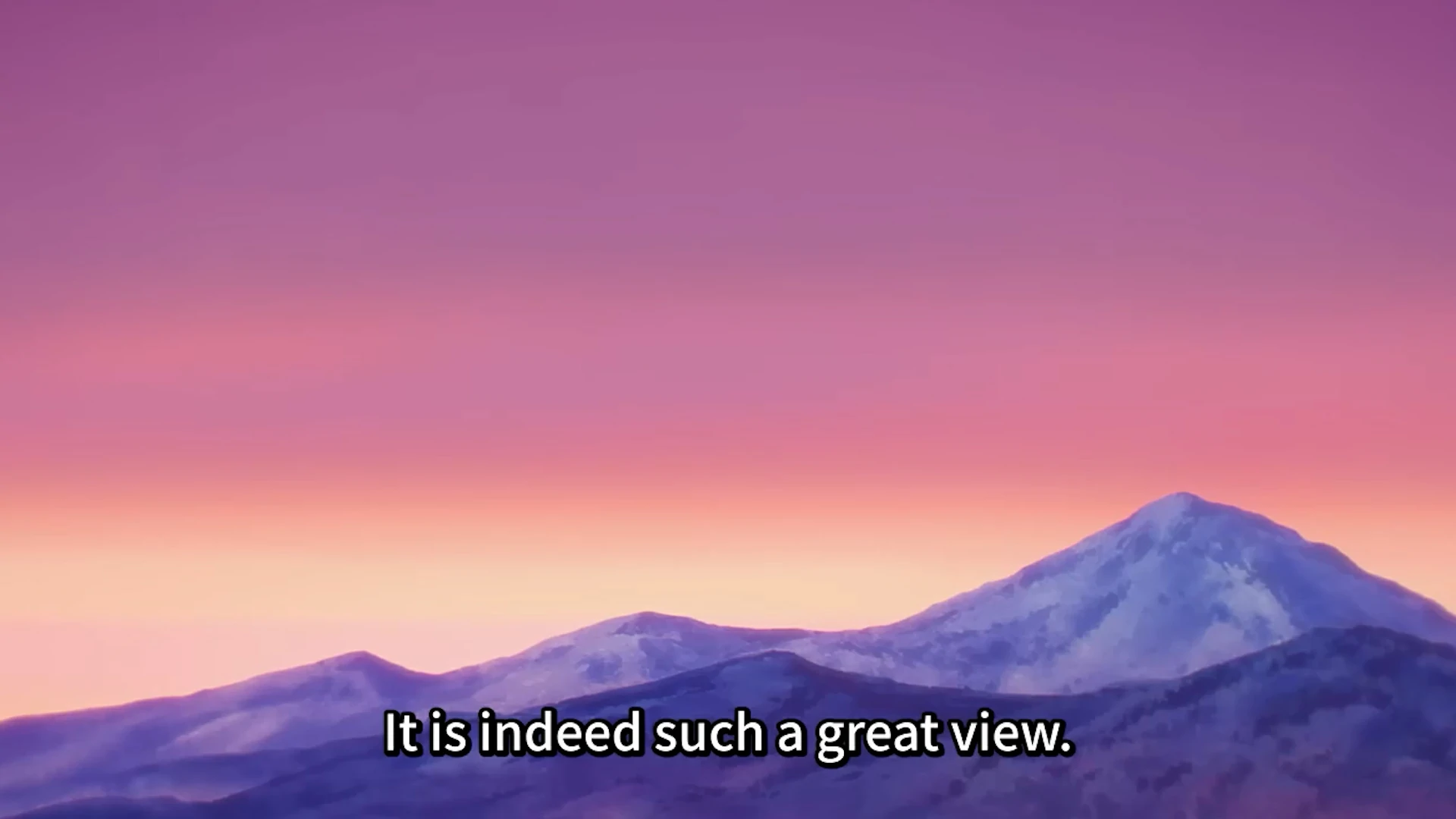
But the world around it is massive, open, quiet, and almost unreal.
If you do not go there, you do not fully understand what the chapter is really offering.
Not the hot spring.
But the experience of sitting down, placing your feet in warm water, and staring at a landscape so wide that it makes your problems feel smaller.
That is not something you get from a description.
Nature does not come packaged.
You cannot summarize it and deliver it in a sentence.
You have to be there.
Even in our modern era, where you can pull up a hundred photos of a place in two seconds, real travel proves the same thing:
Seeing something on your phone and seeing it in front of you are not the same experience.
Not even close.
Sometimes the real place is more beautiful.
Sometimes it is more disappointing.
But either way, it is real.
And reality hits differently.
A location is not just coordinates on a map. A location is a feeling — and you cannot download feelings.
Priceless Memories and Emotions With Family and Friends
Now we reach the third layer — the one that lasts the longest.
You have probably heard someone say:
“It doesn’t matter where you go. It matters who you go with.”
It sounds like a quote people post under travel photos.
But it is also painfully true.
The same place can feel completely different depending on the person beside you.
- Go somewhere with friends, and it feels like chaos and laughter.
- Go with someone you love, and it feels intimate, as if time slows down.
- Go with family, and it can feel warm, complicated, or nostalgic.
Every companion changes what gets remembered.
They change what you talk about.
What you notice.
What becomes funny.
What becomes meaningful.
If you think about your own trips, what do you remember most?
Not always the name of the place.
But what happened.
What you did.
And who was there when it happened.